







From a Visit to BeneMeat to an Industry Conference: Dialogue with the Czech Meat Industry Continues
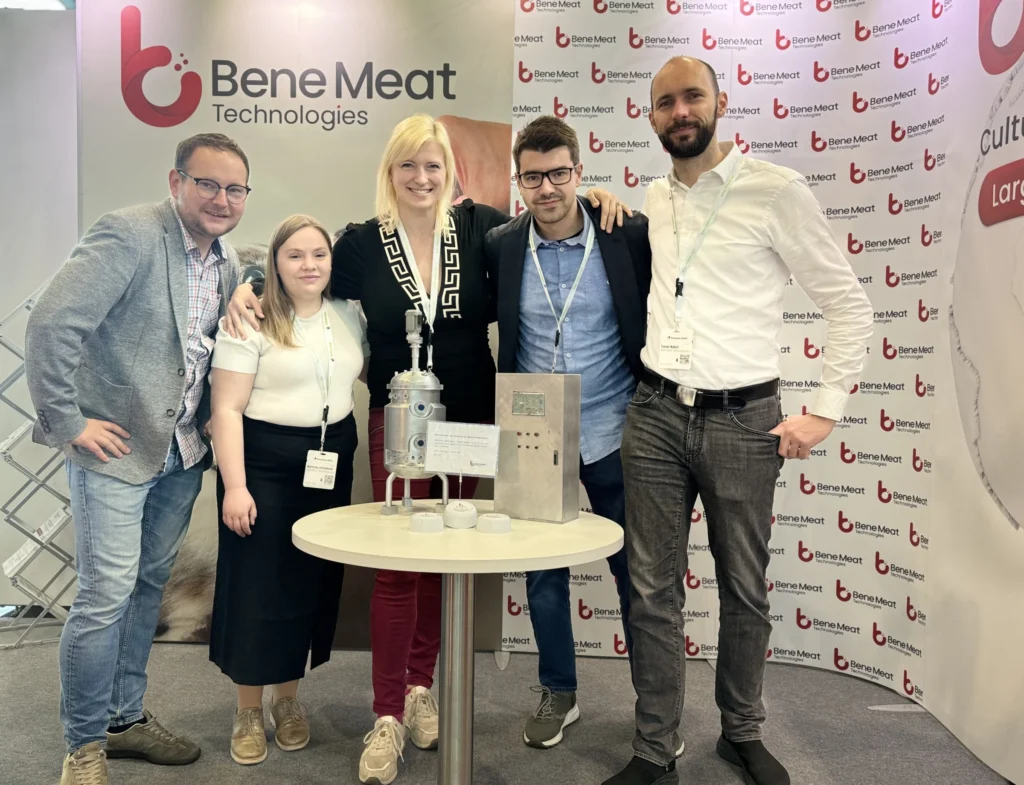
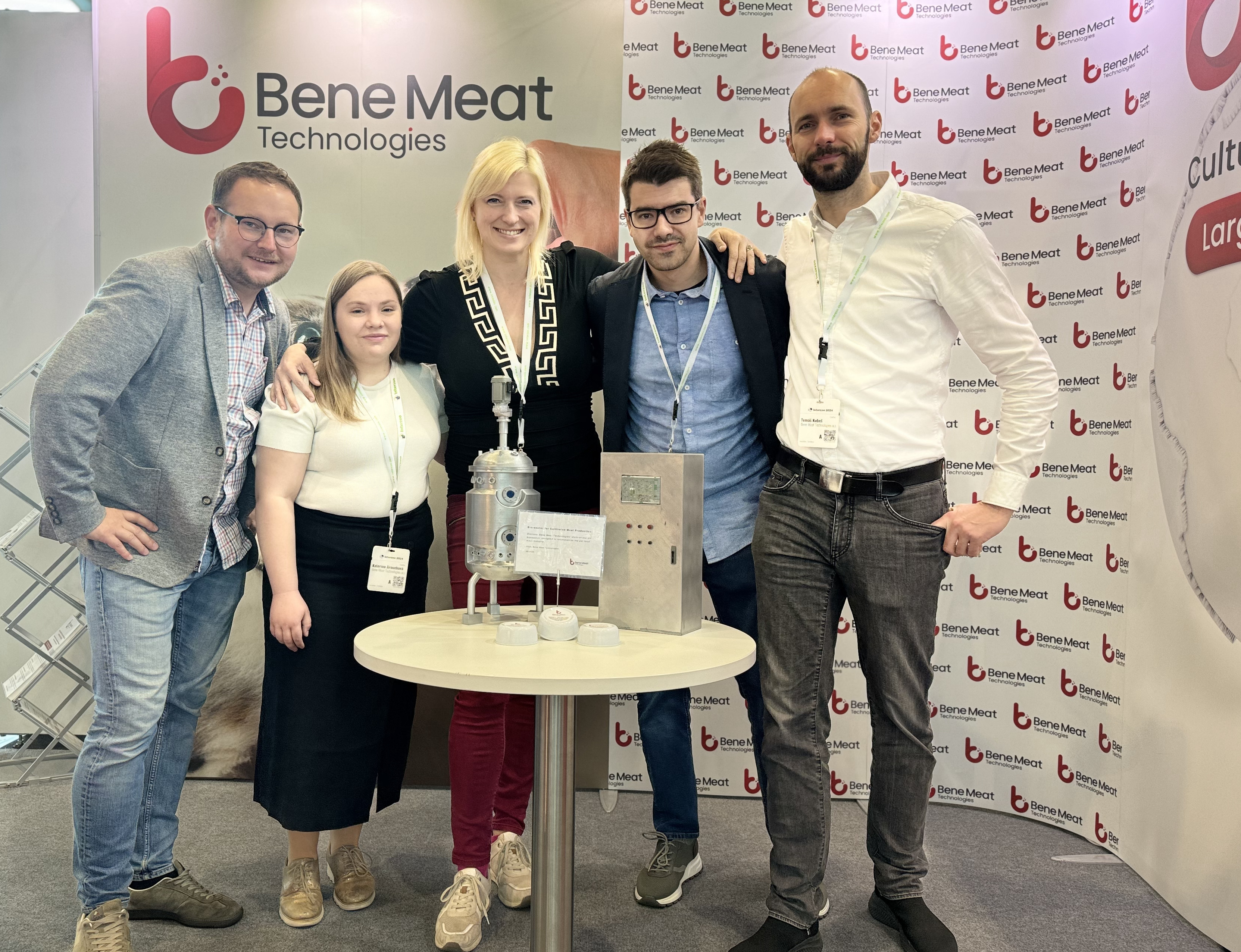
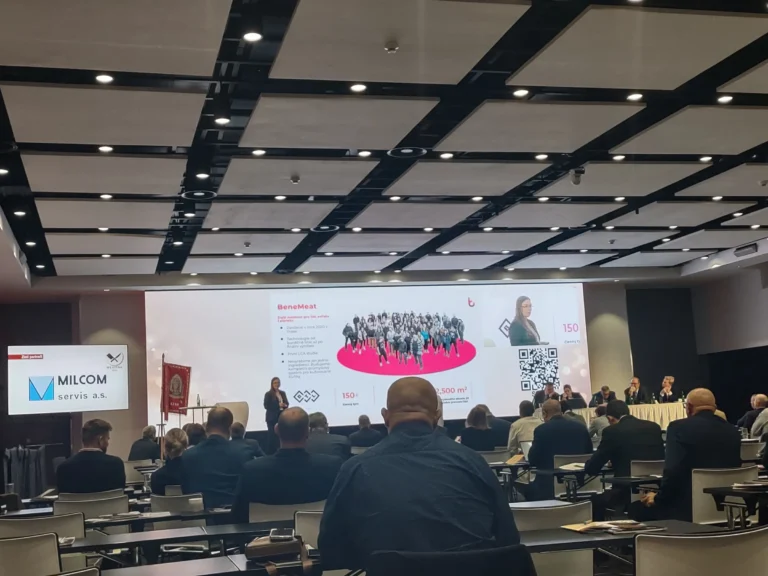
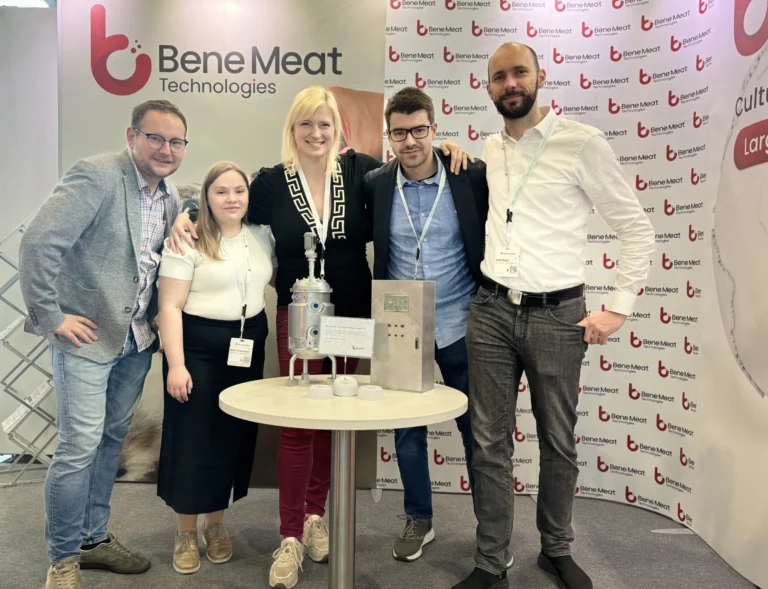
BeneMeat participated in MEATING 2026, a conference organised by the Czech Meat Processors Association. The company presented the current capabilities of cultivated cell technology and emphasised that its goal is not to replace traditional meat production, but to complement it and expand opportunities across the industry.
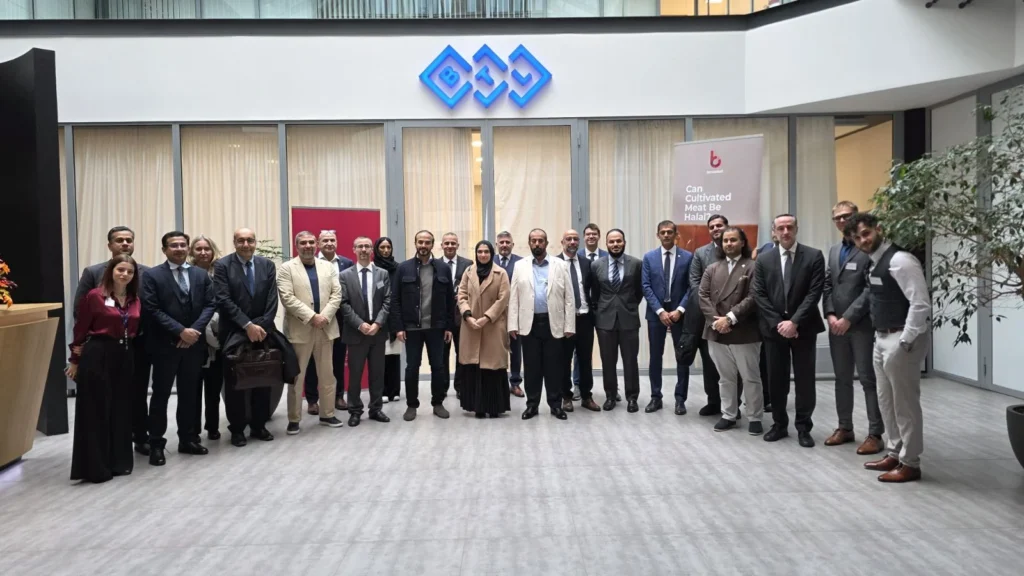
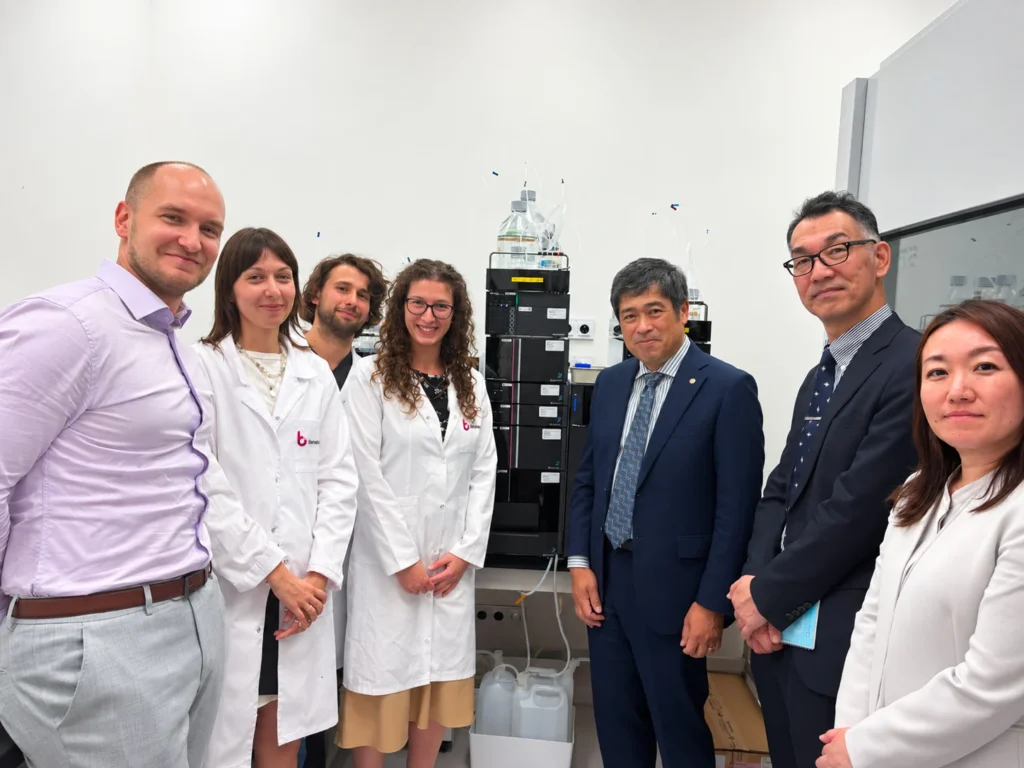
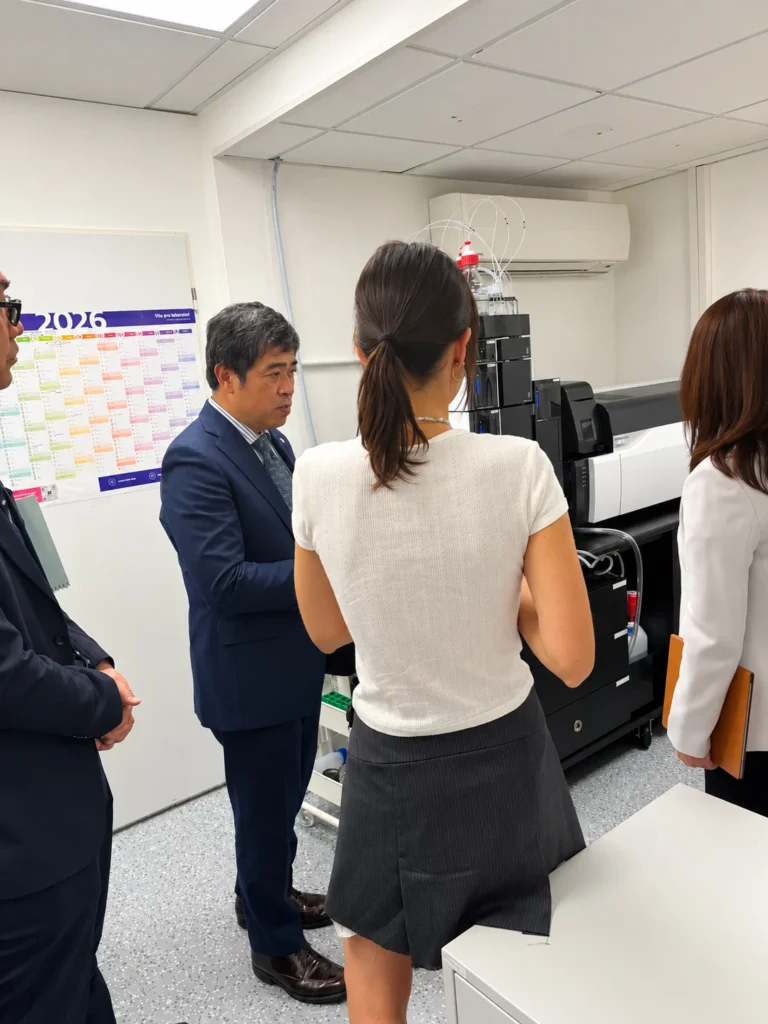
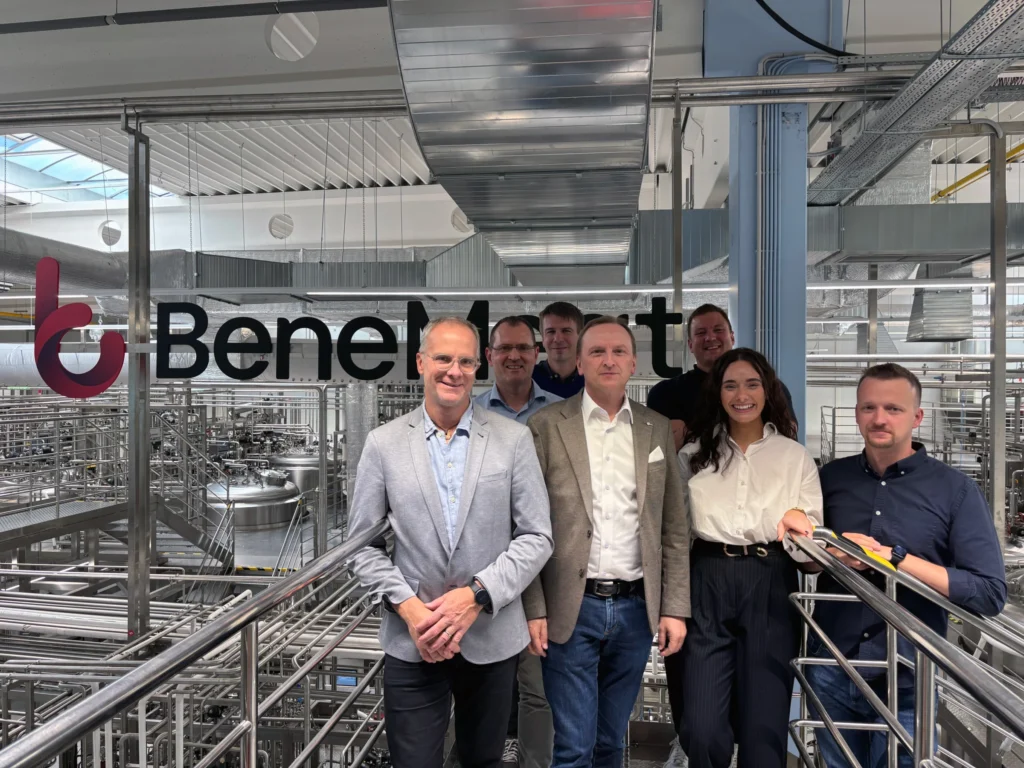
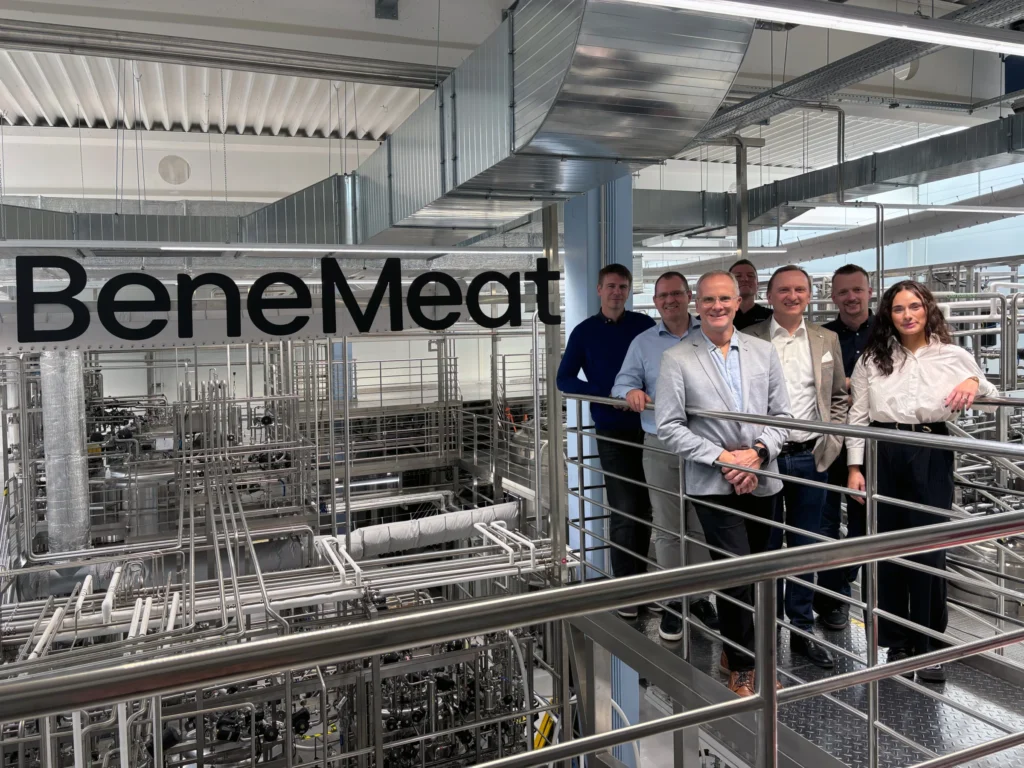
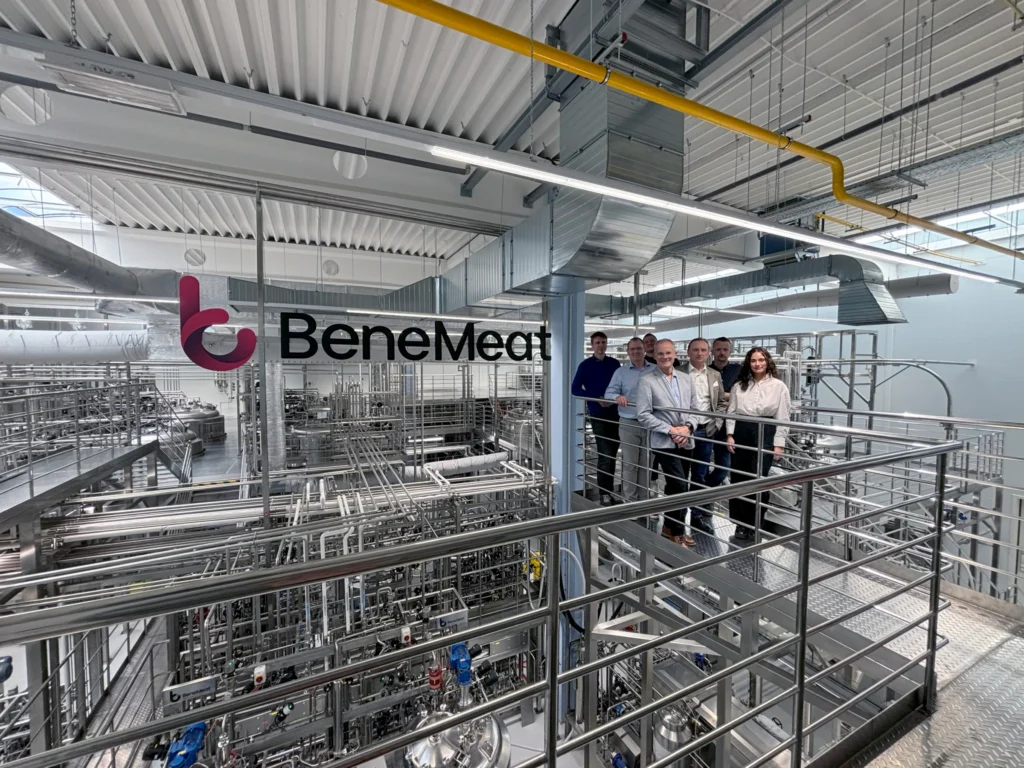
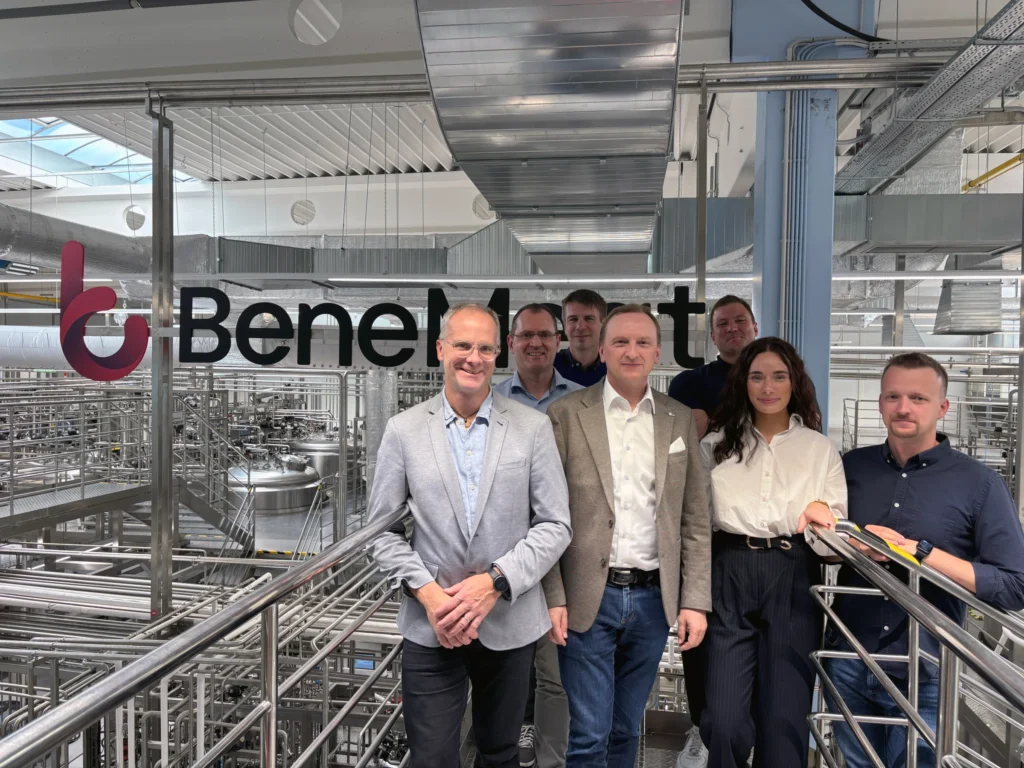
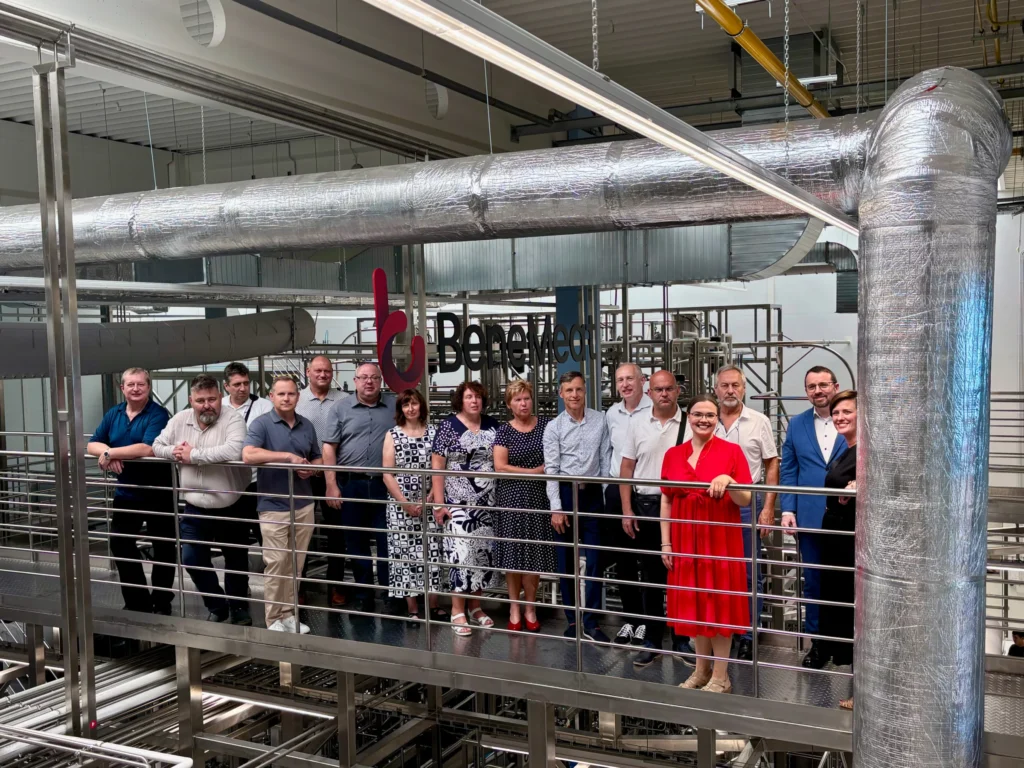
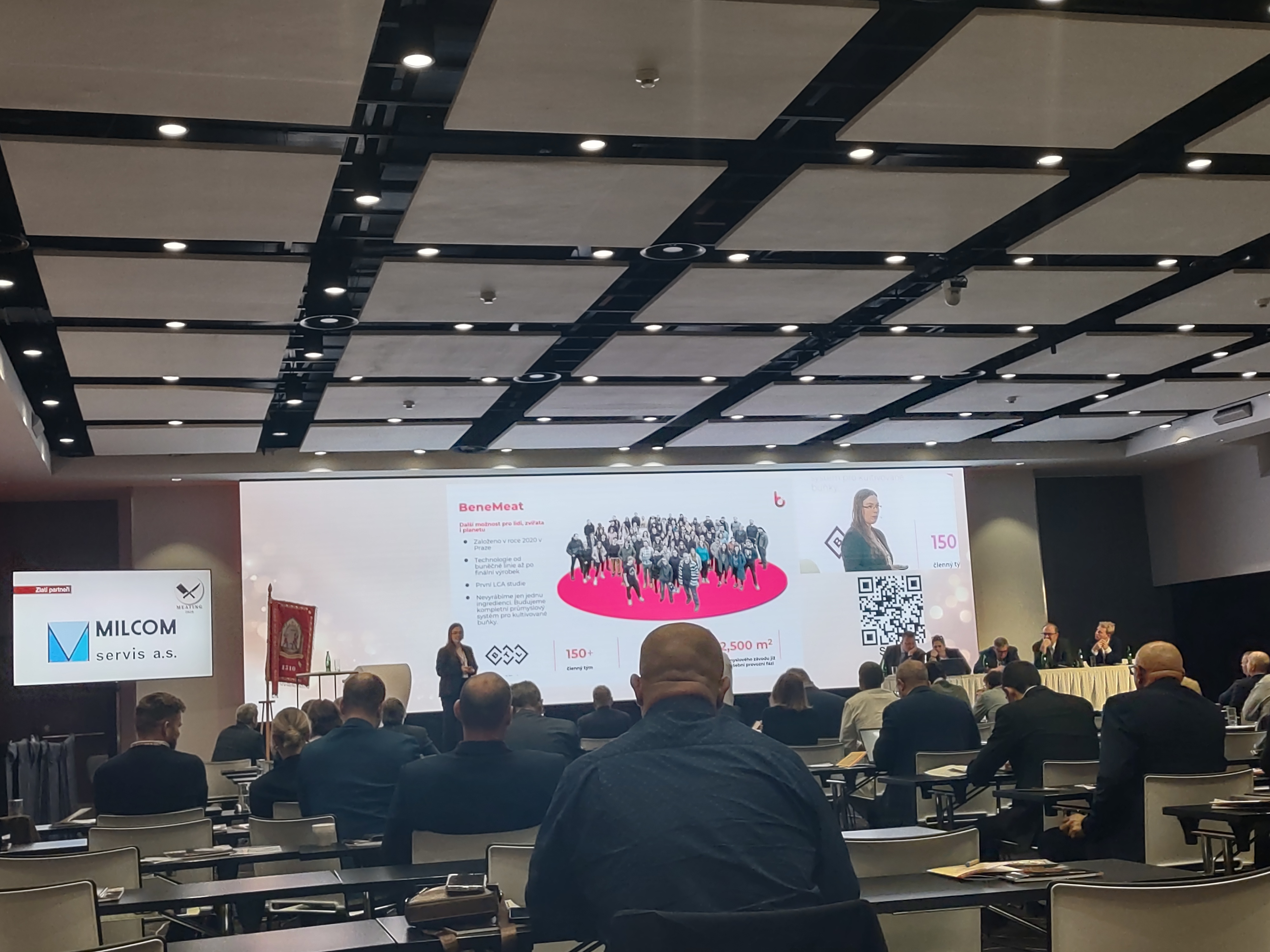
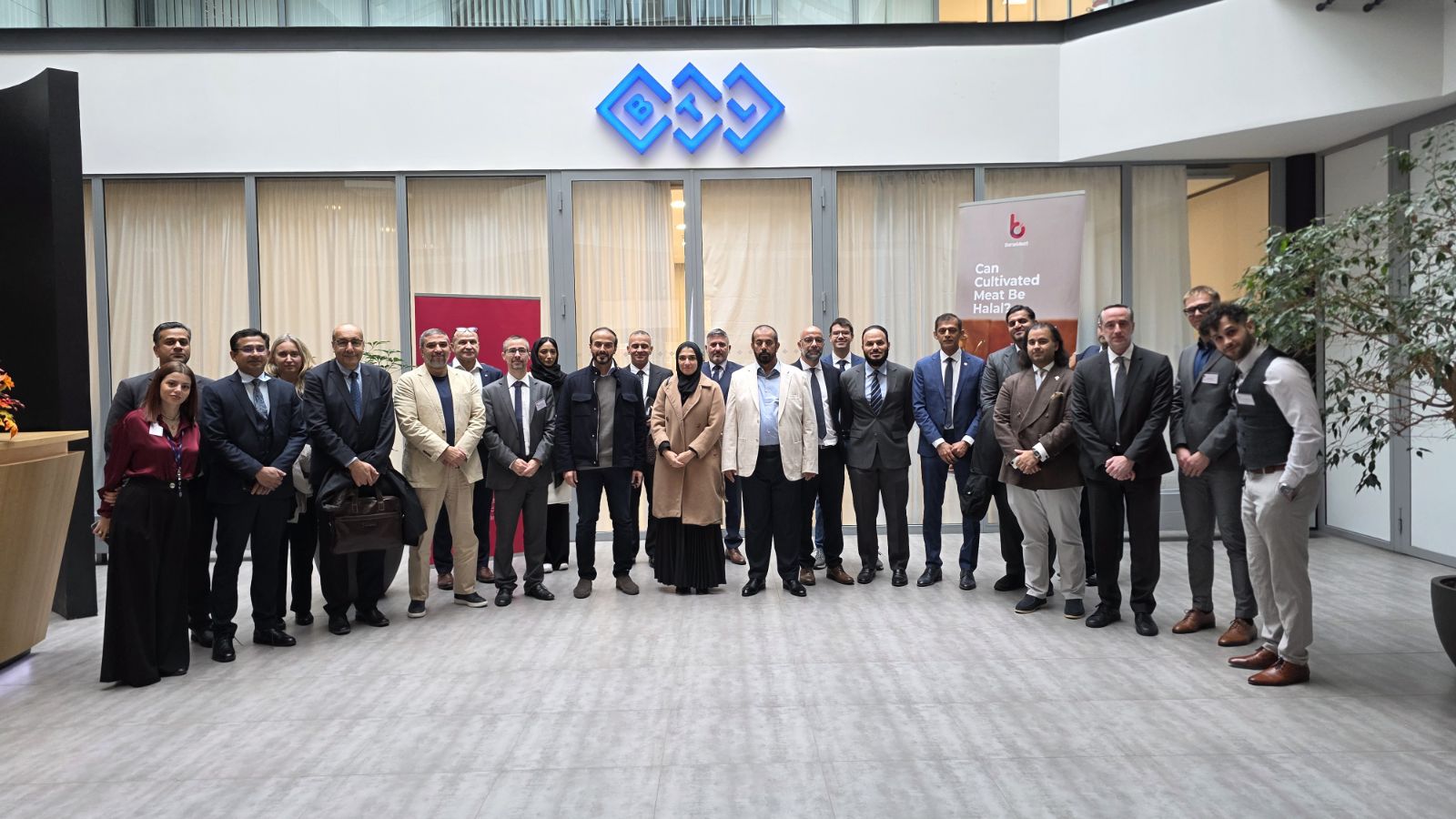
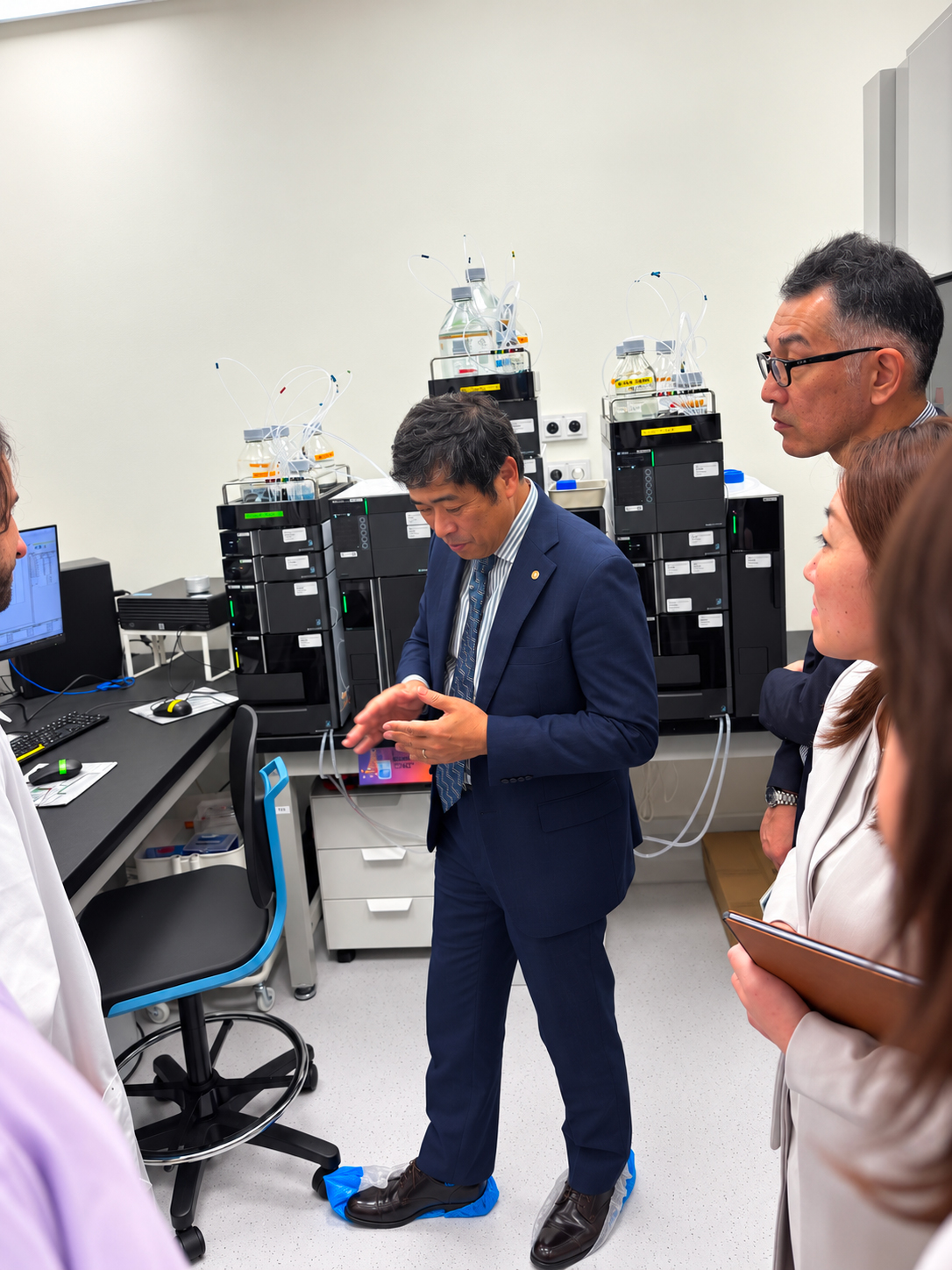
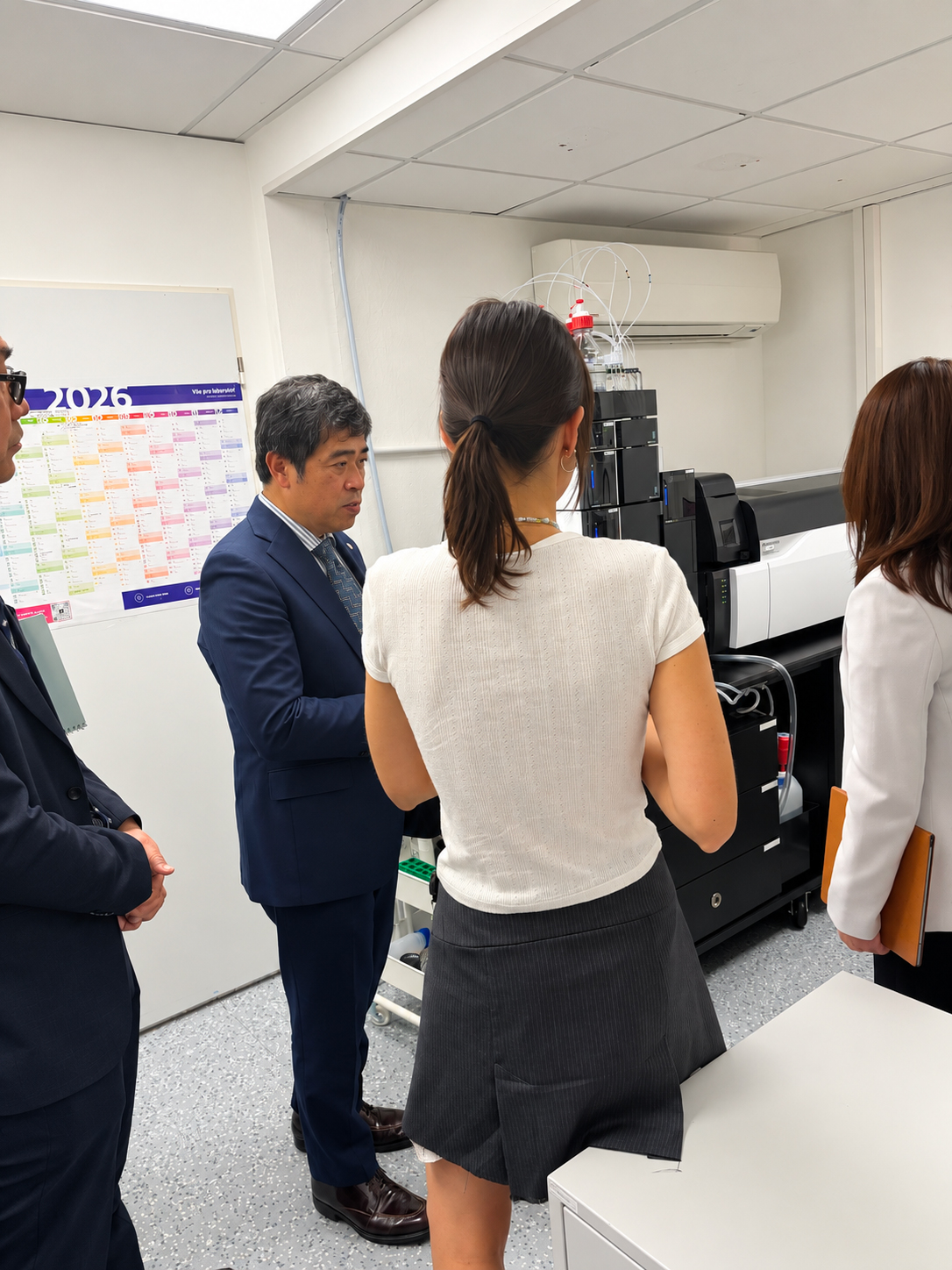
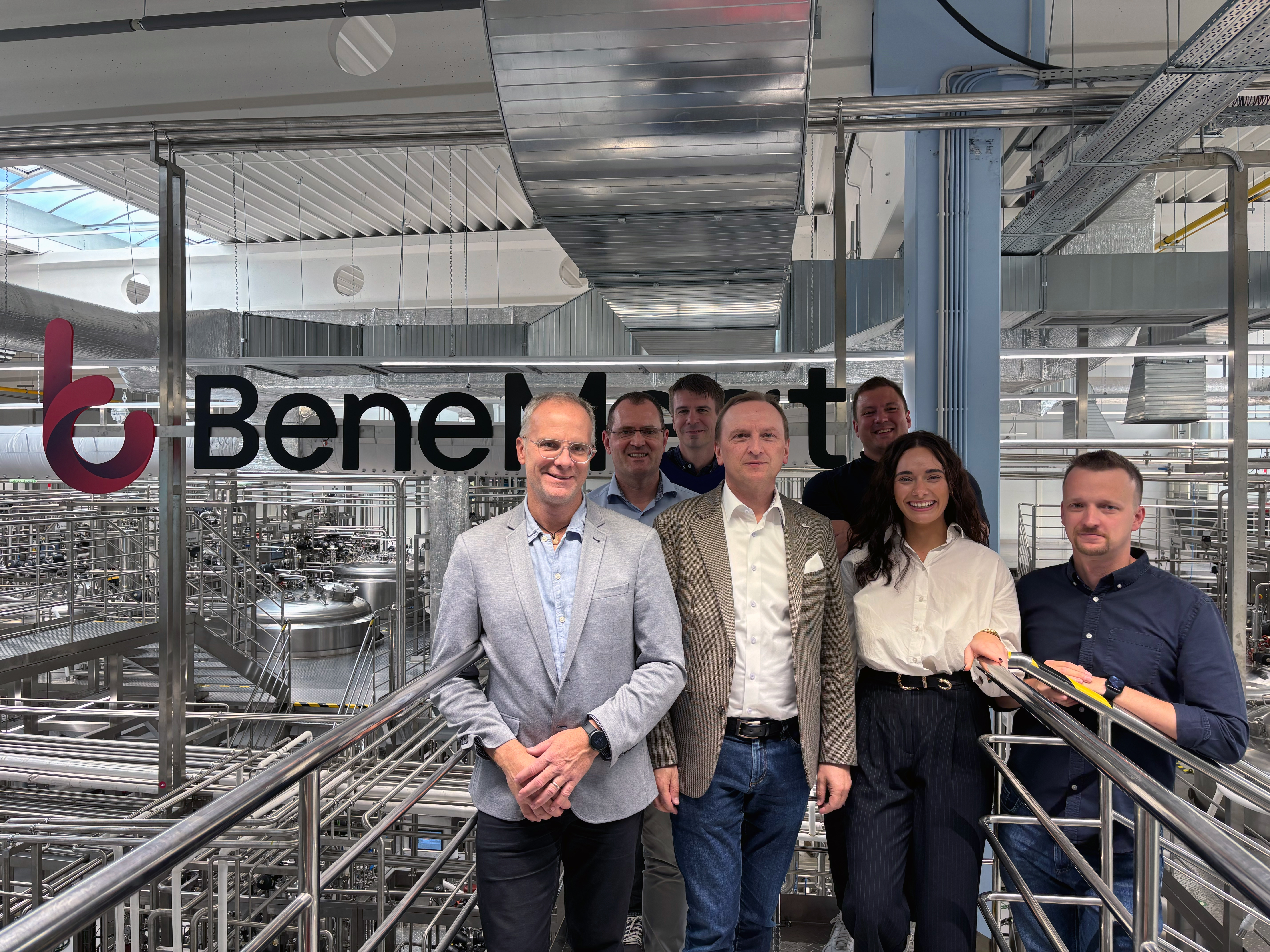
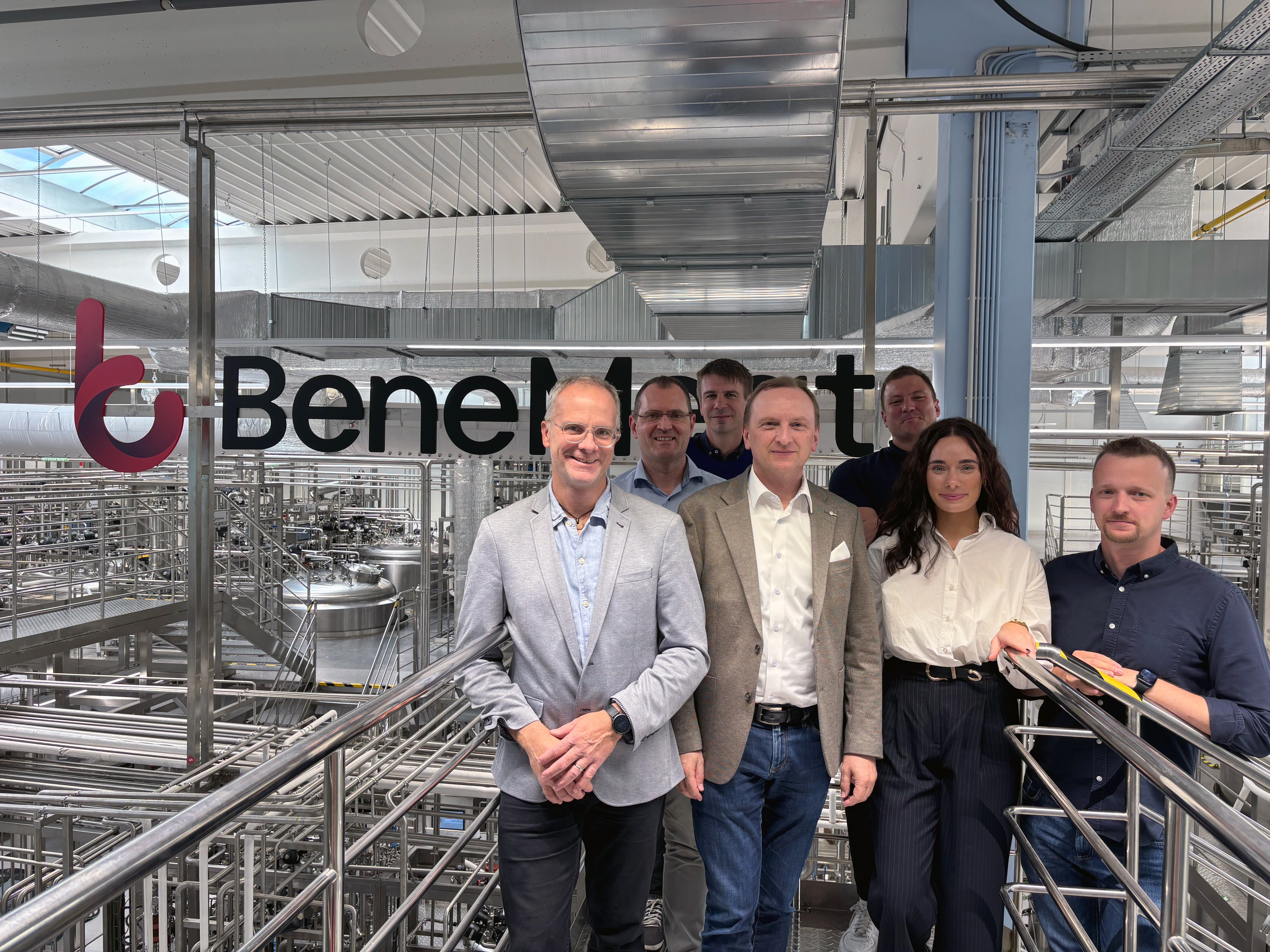
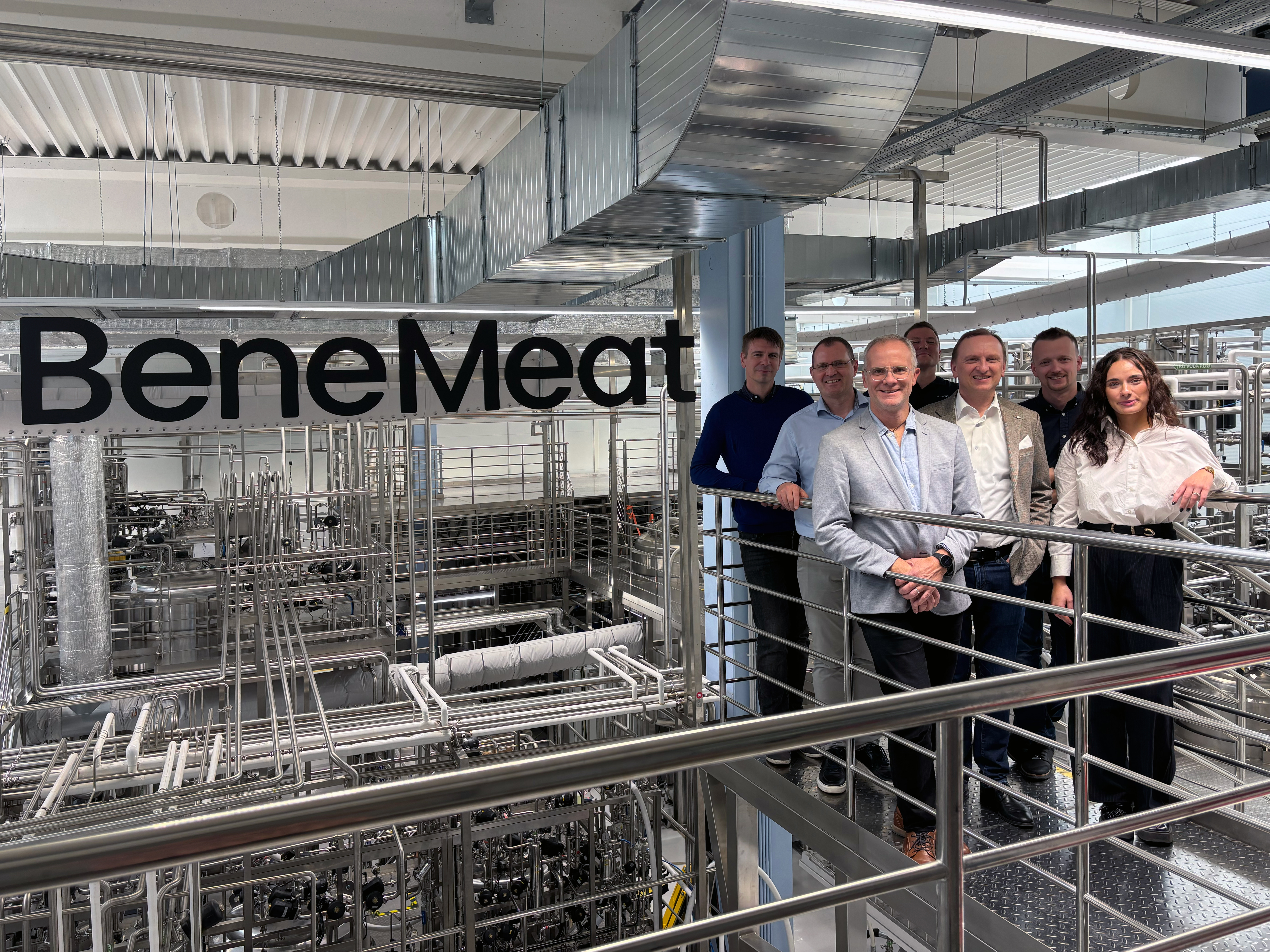
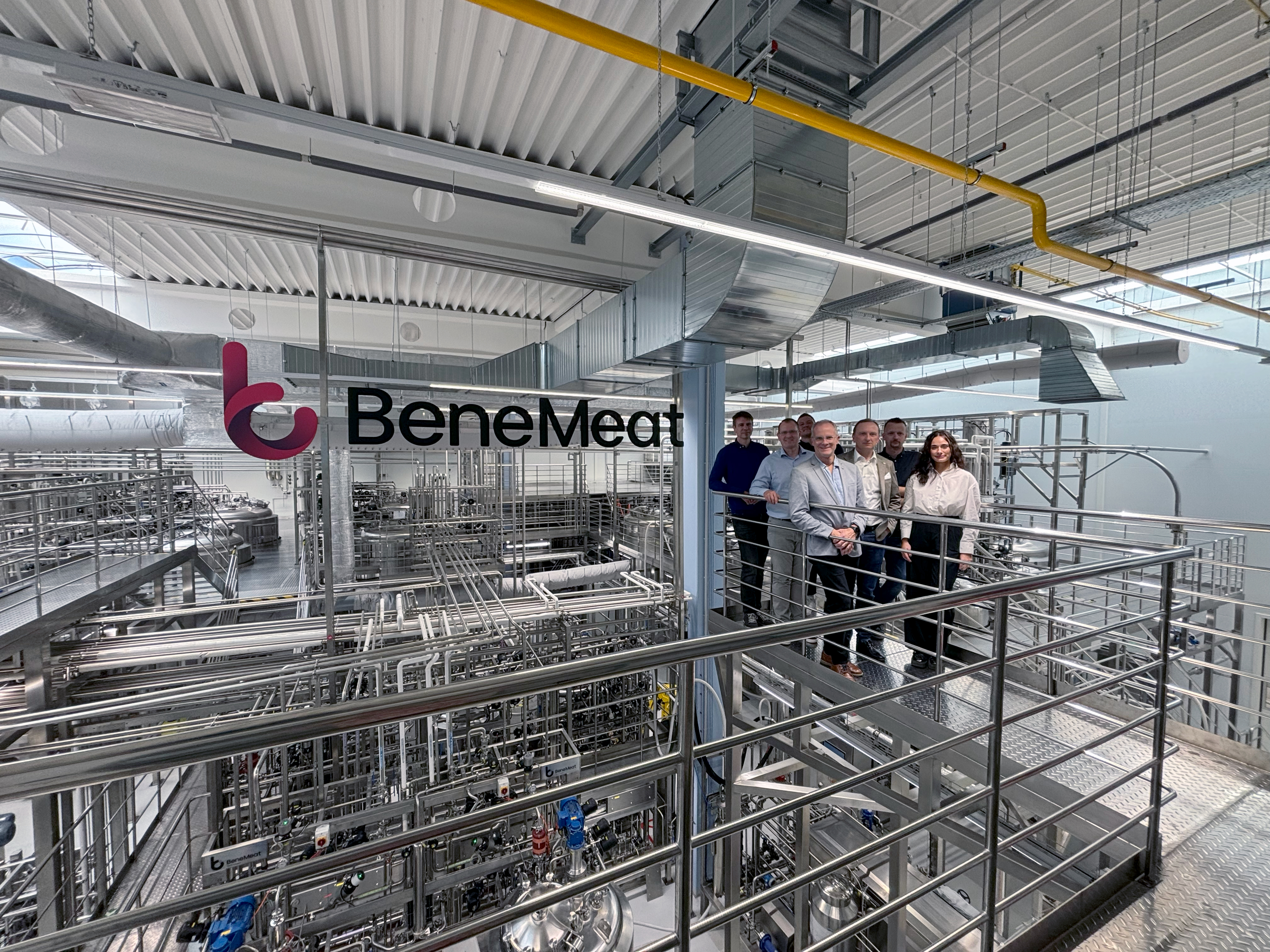
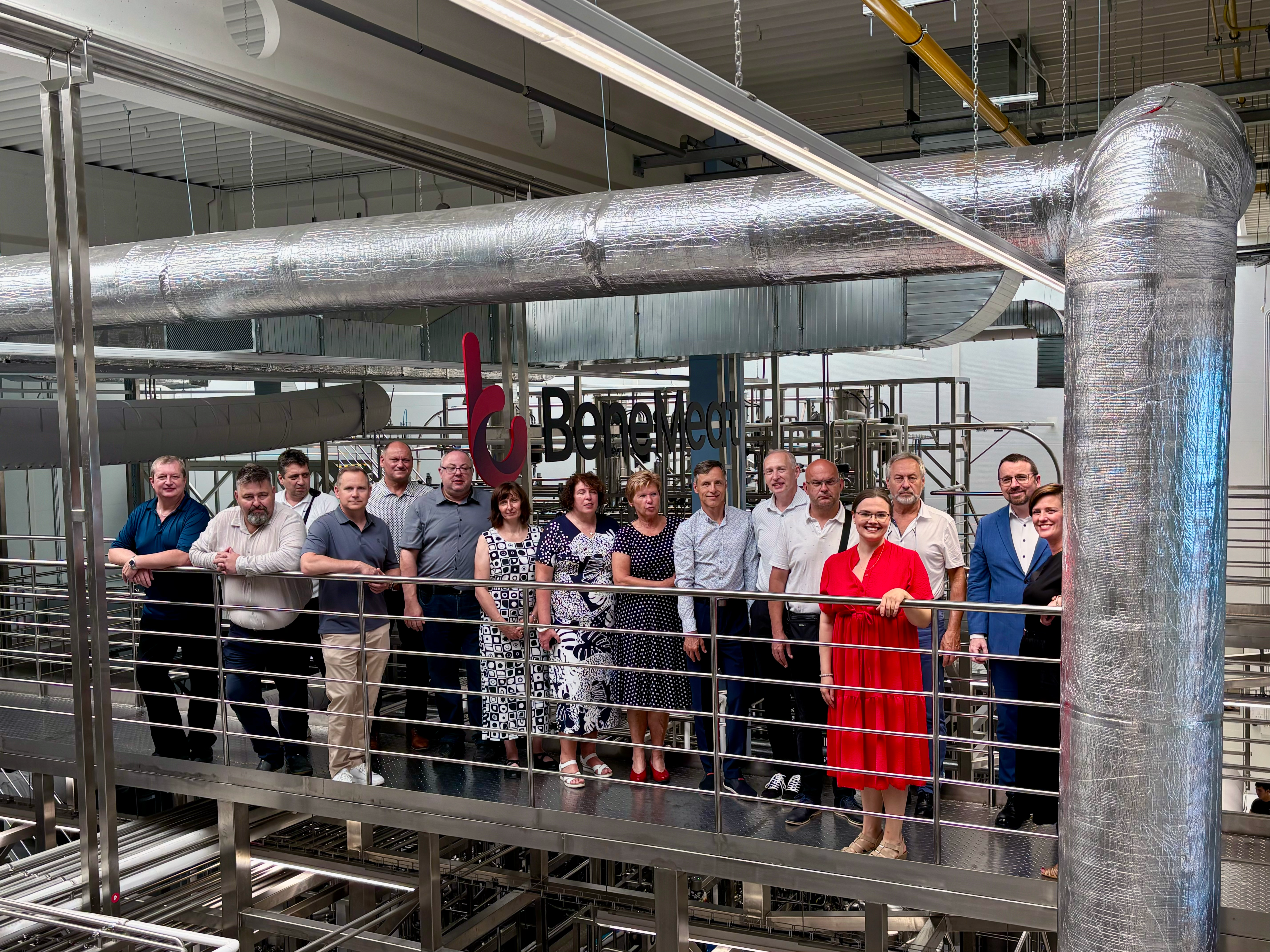
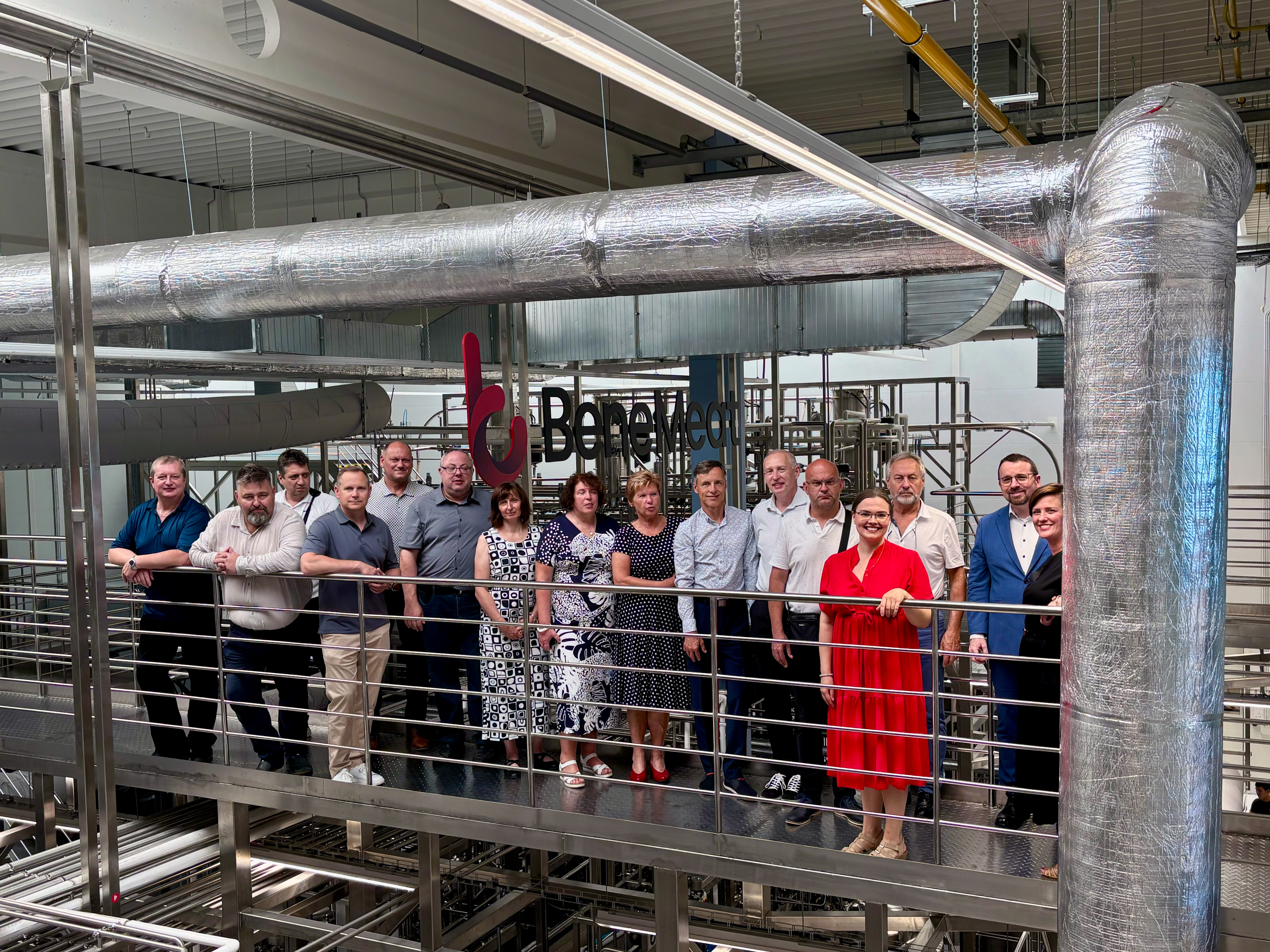
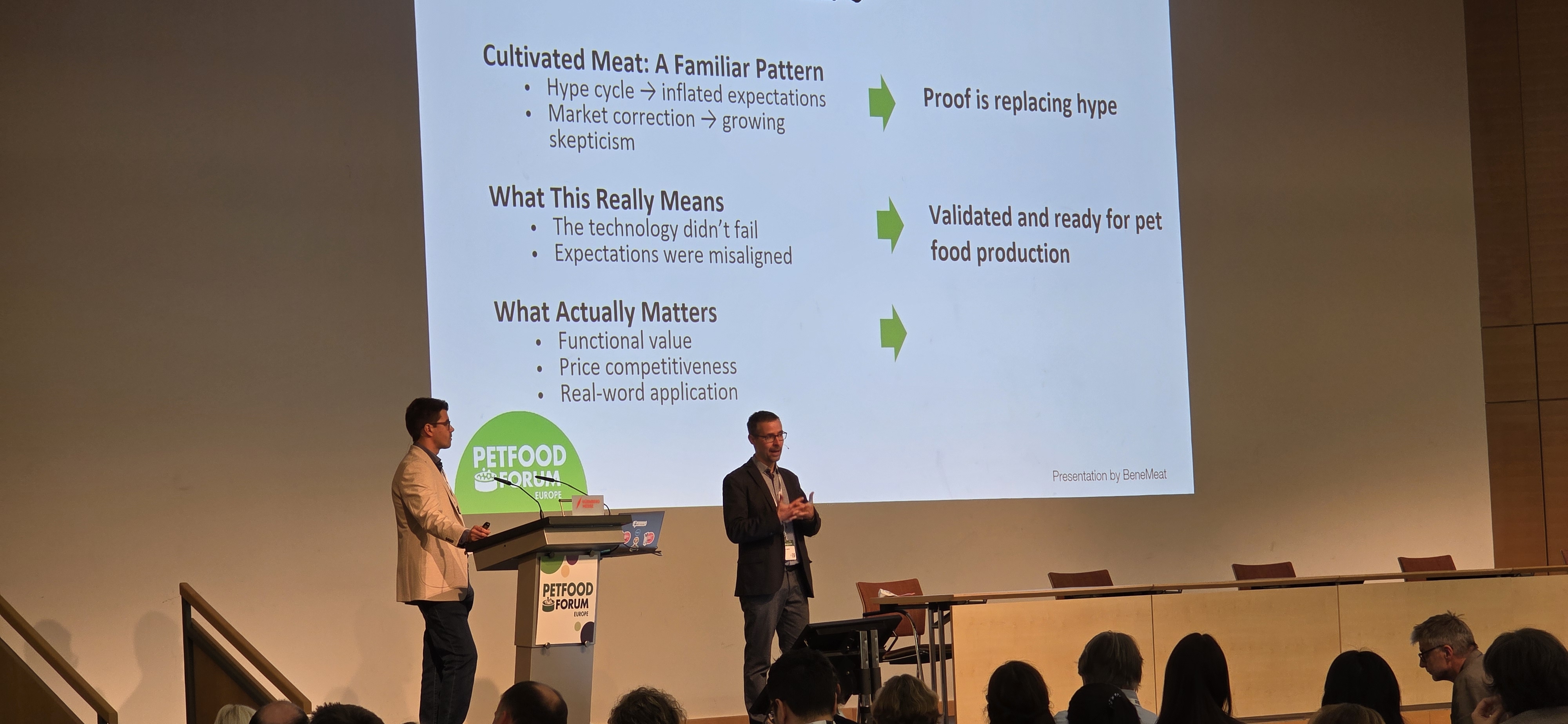
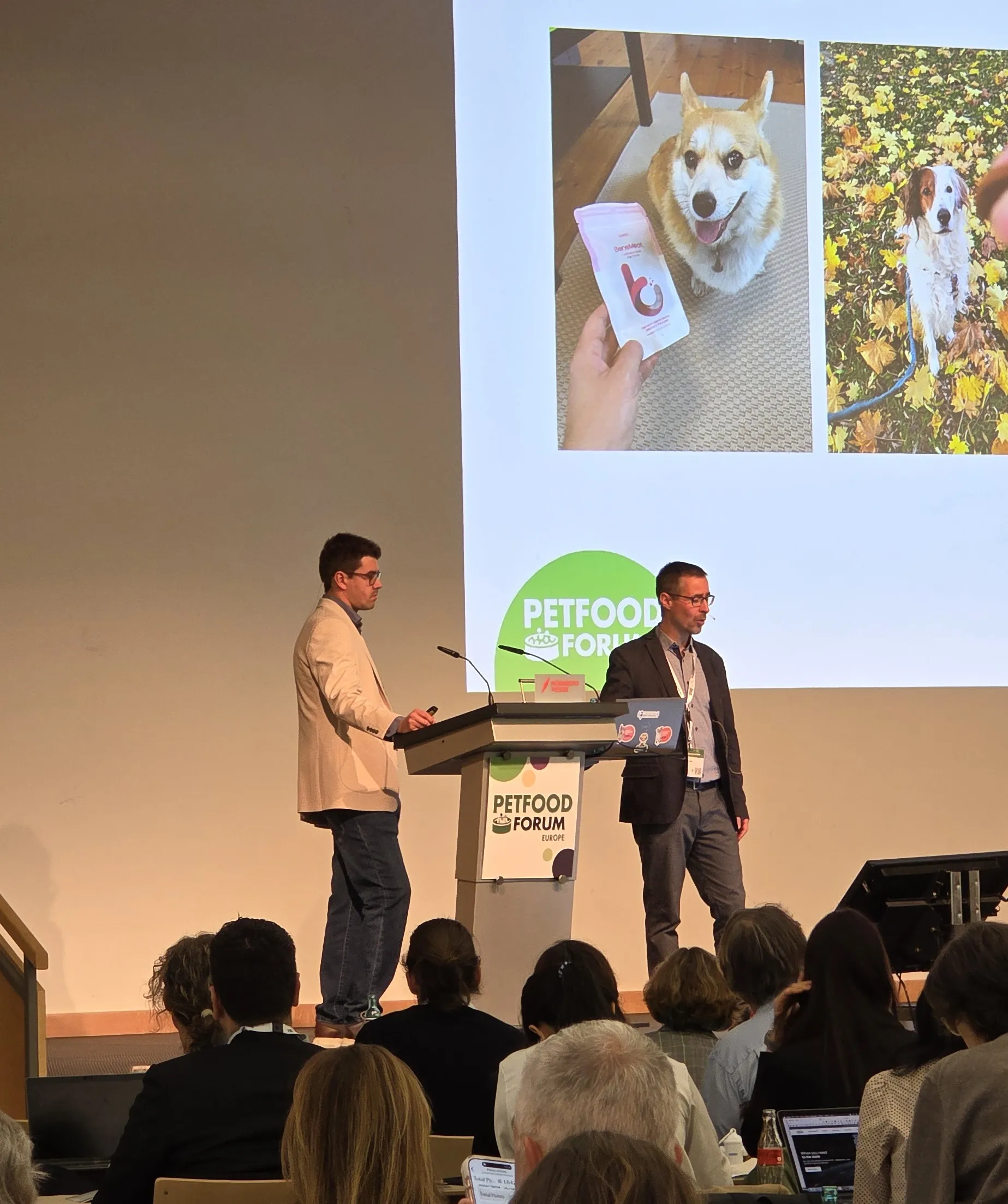
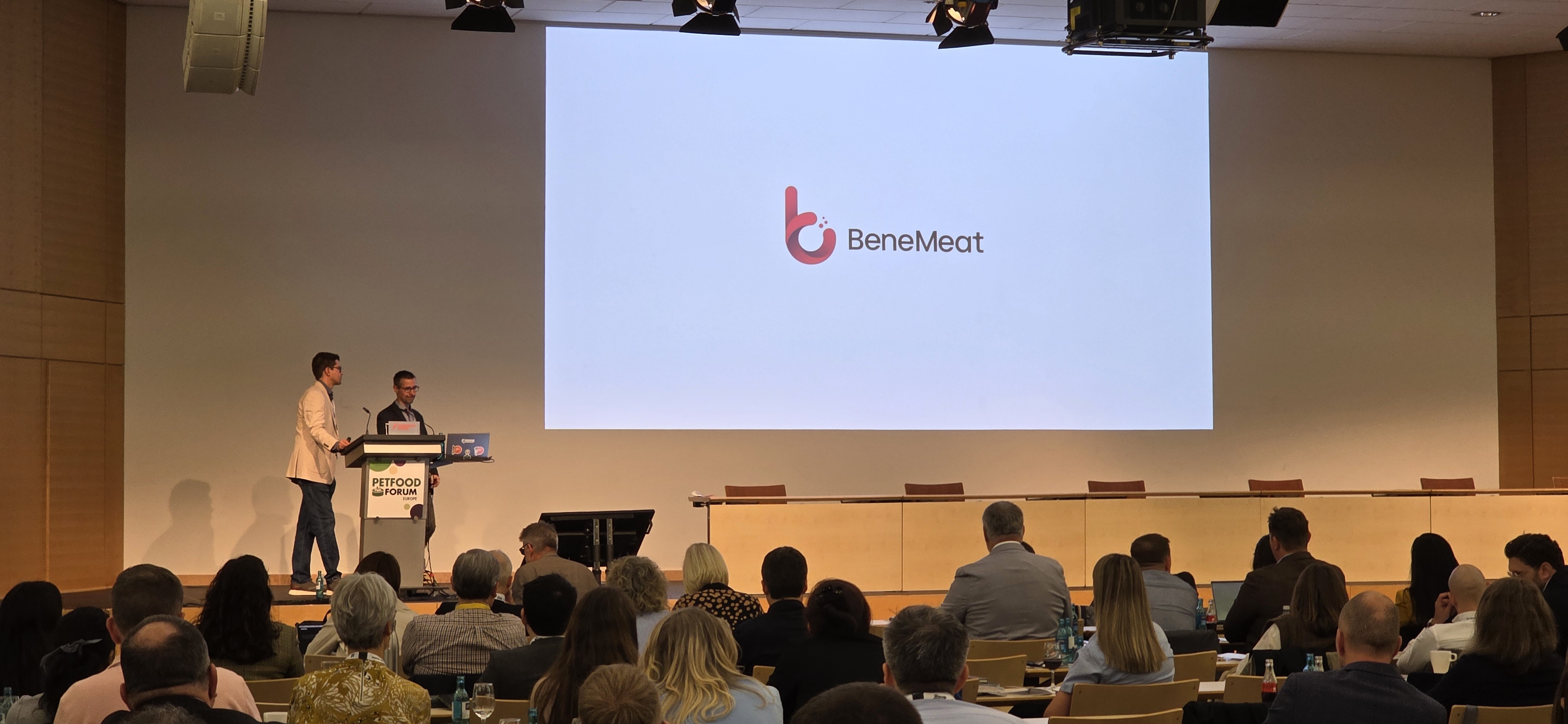
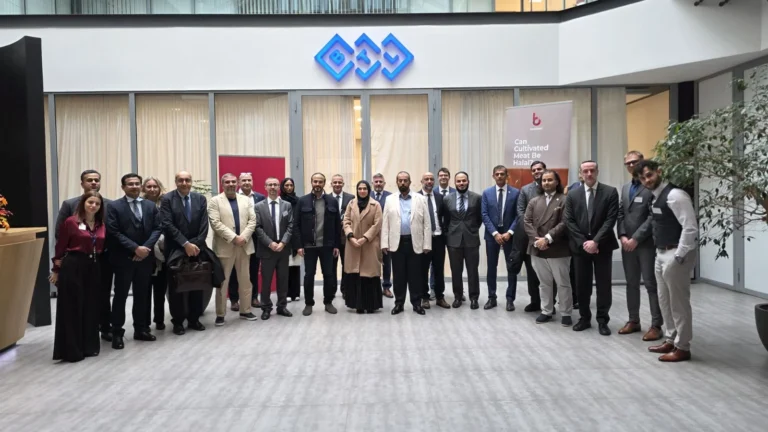
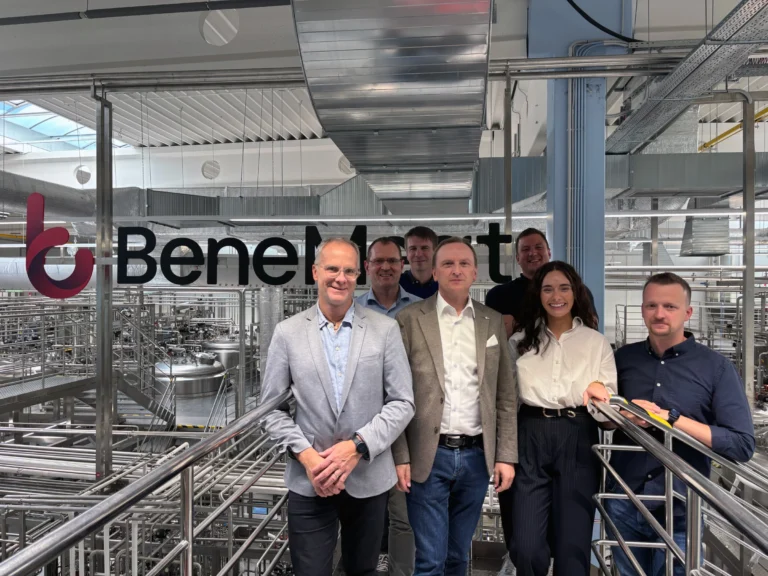
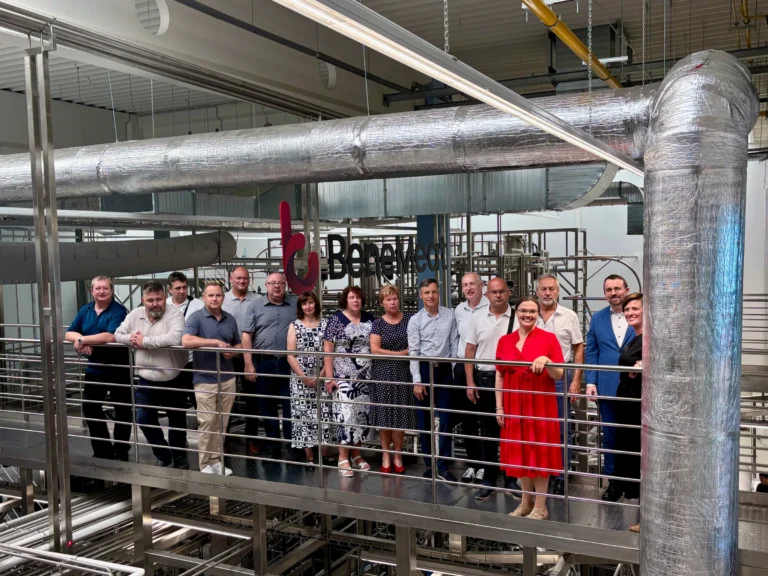
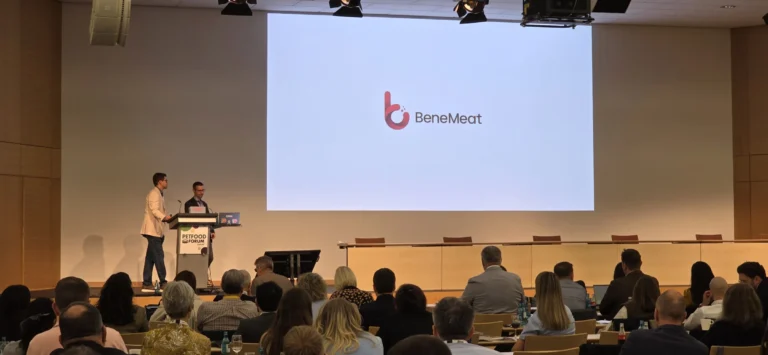
Dialogue instead of prejudice. The idea that guided BeneMeat when it welcomed representatives of the Czech Meat Processors Association (ČSZM) to its production facilities in June has now taken another step forward. This time, BeneMeat accepted an invitation to speak at the MEATING 2026 conference in Brno, where it presented the current state of cultivated cell technology, recent developments, and opportunities for larger-scale production to representatives of the traditional meat industry.
New Technologies as an Additional Opportunity, Not a Replacement
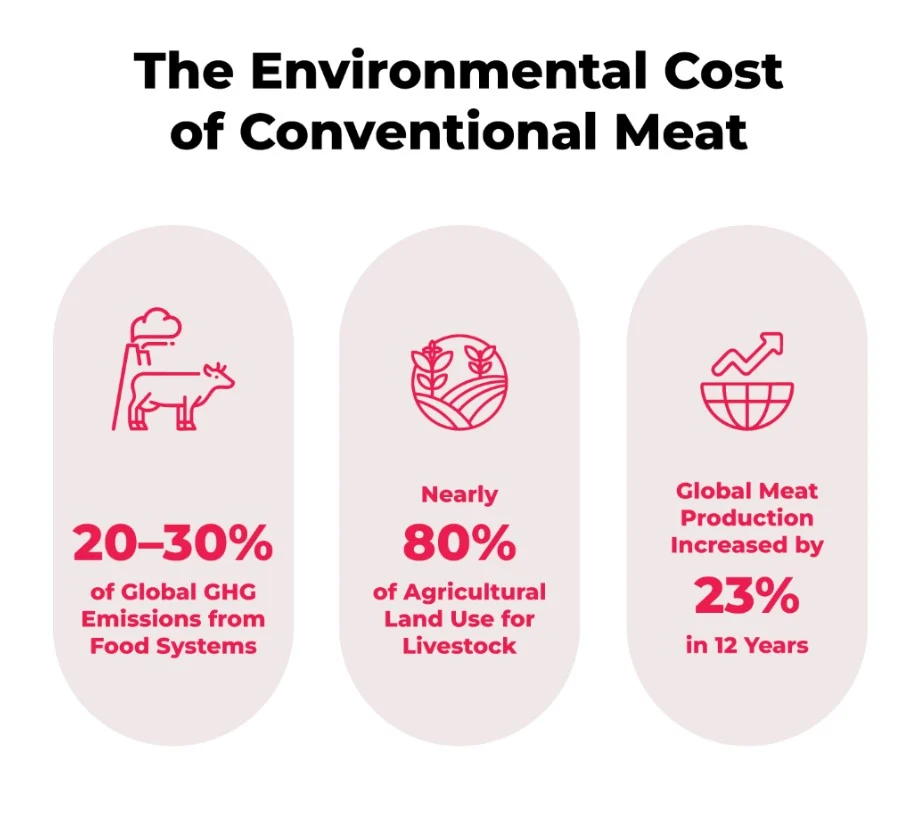
One of the main topics of BeneMeat's presentation was the role of cultivated cells in relation to the traditional meat industry. The company has consistently emphasised that its goal is neither to replace established production methods nor to push traditional producers out of the market. Instead, BeneMeat presents cultivated cells as an additional technological option that could expand the range of animal proteins available in the future and create new opportunities for cooperation.
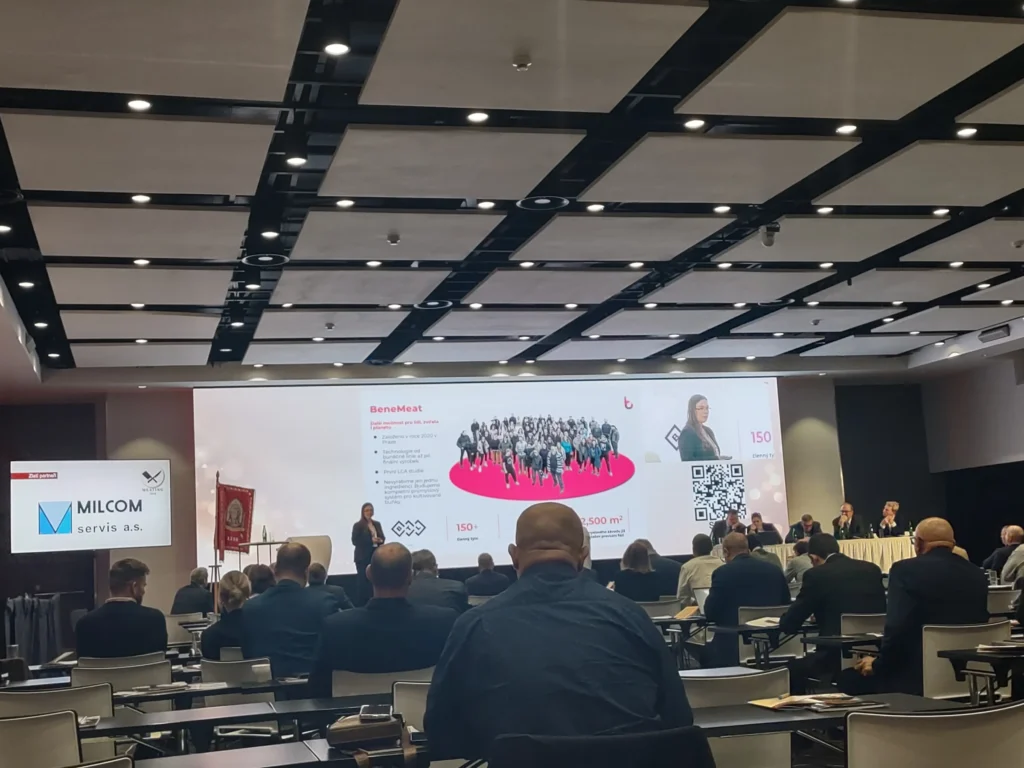
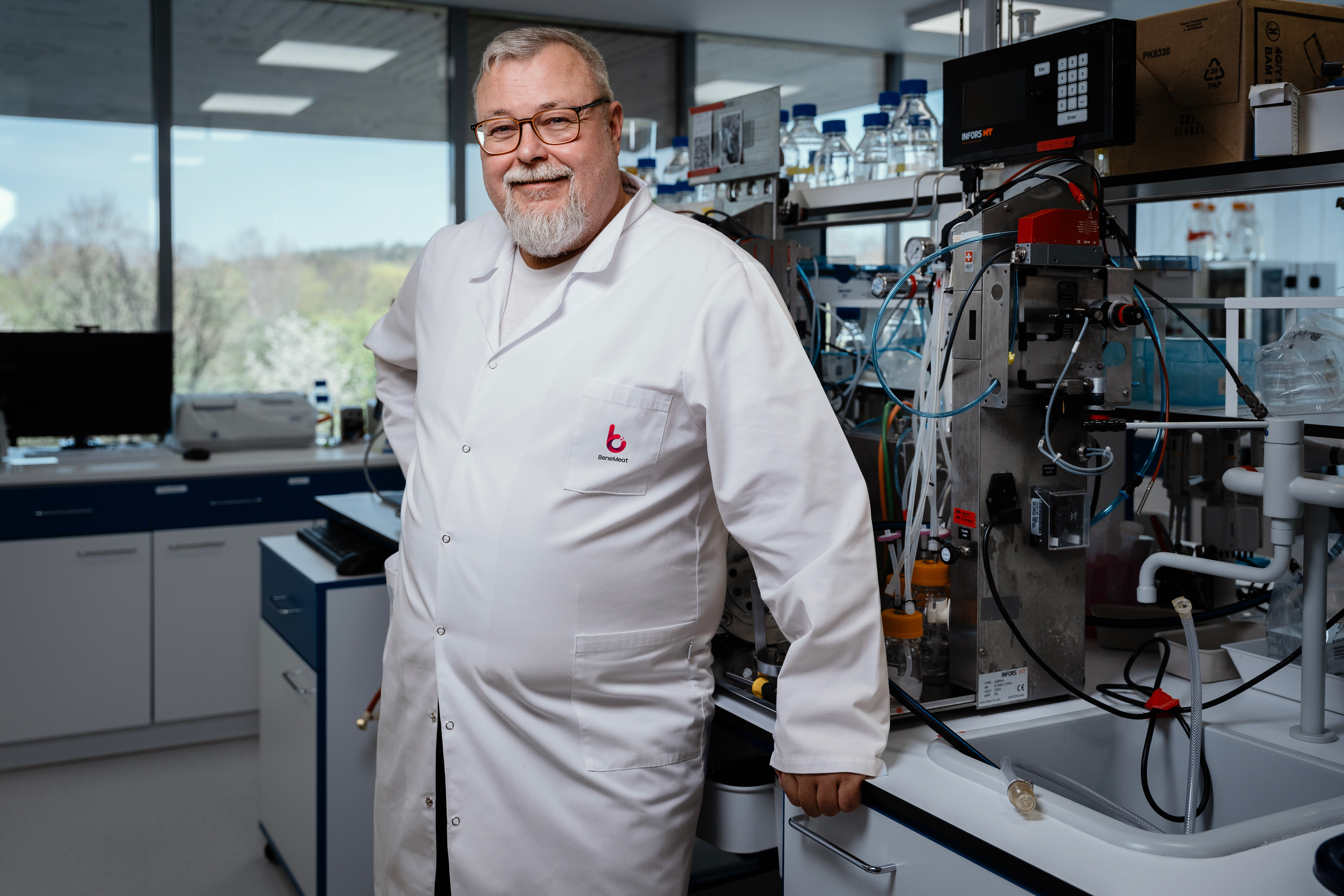
“Our goal is not to replace or threaten the traditional meat industry. We believe that new biotechnologies can naturally coexist with established production methods and offer additional opportunities to those interested in exploring them. That's why we believe open dialogue with traditional meat producers is so important. We want to demonstrate how far the technology has actually progressed, what its current capabilities are, and where opportunities for future cooperation may emerge,” says Kateřina Dvořák Vašová, for BeneMeat, who delivered a presentation entitled “Cultivated Cells: Where Do We Stand Today?” at MEATING 2026.
From a Facility Visit to an Open Dialogue
The presentation highlighted advances in cultivated meat development, practical experience with the transition towards industrial-scale production, and potential future applications of the technology in the food industry. The subsequent discussion focused primarily on price, taste, texture, and cultivation media.
BeneMeat's participation in MEATING represents another step in building relationships with the traditional meat industry. The company remains in contact with representatives of the Czech Meat Processors Association and believes that an open dialogue based on facts and mutual respect will continue in the future.
“The Czech Meat Processors Association has long supported open professional discussions about new technologies that may influence the future of the food industry. We see BeneMeat's participation in MEATING 2026 as an opportunity for a constructive exchange of information between developers of new solutions and representatives of the traditional meat industry. Only dialogue based on facts and transparent communication can contribute to a better understanding of both the potential and limitations of these technologies,” says MVDr. Radek Slanec, Executive Director of the Czech Meat Processors Association.
Cultivated meat
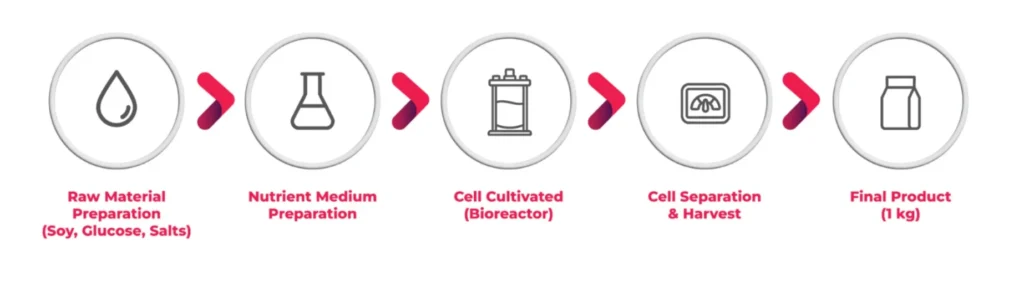
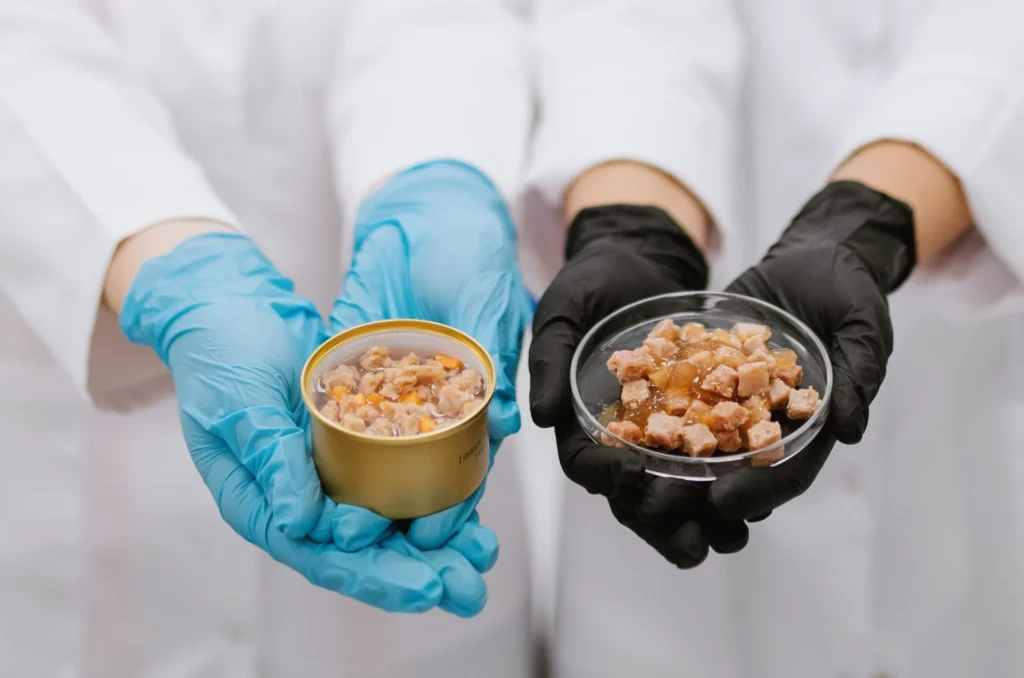
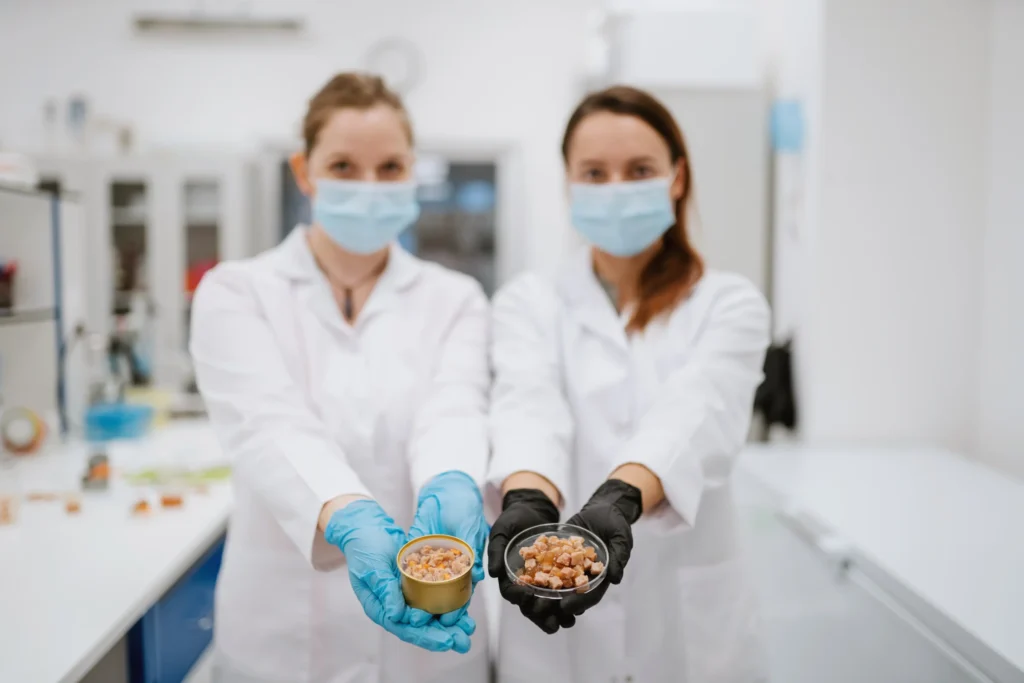
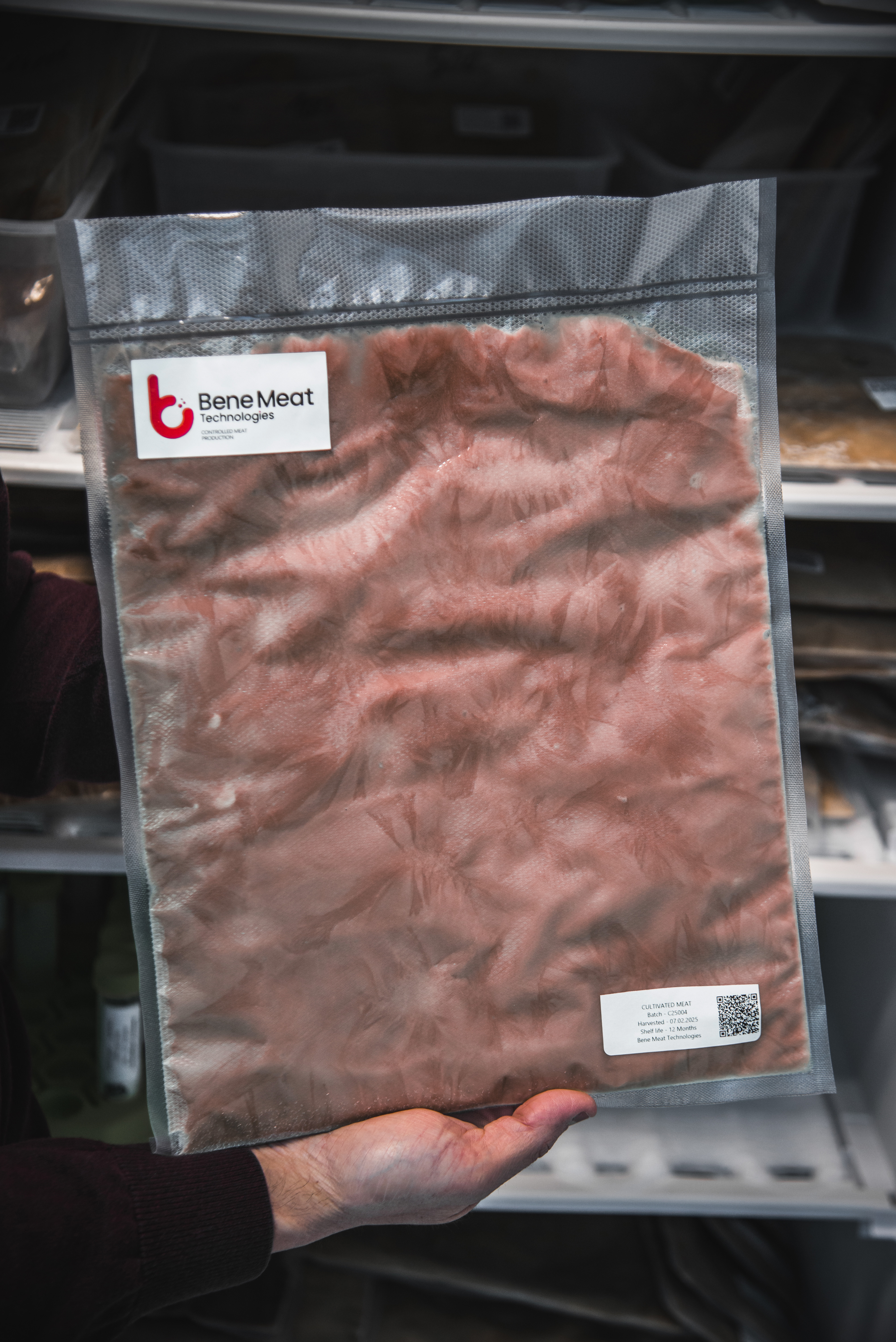
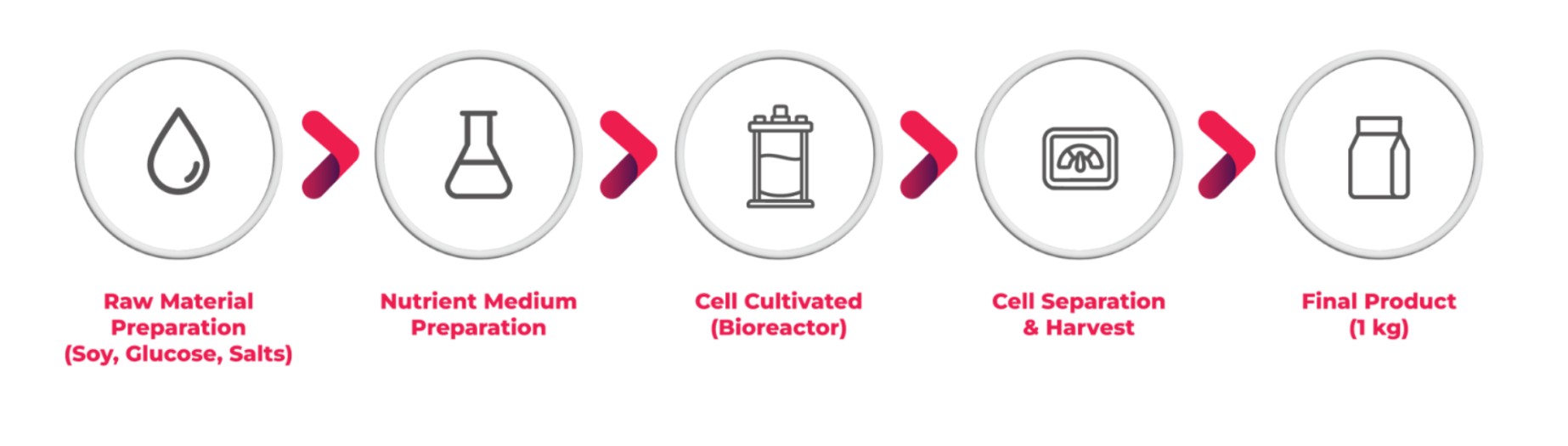
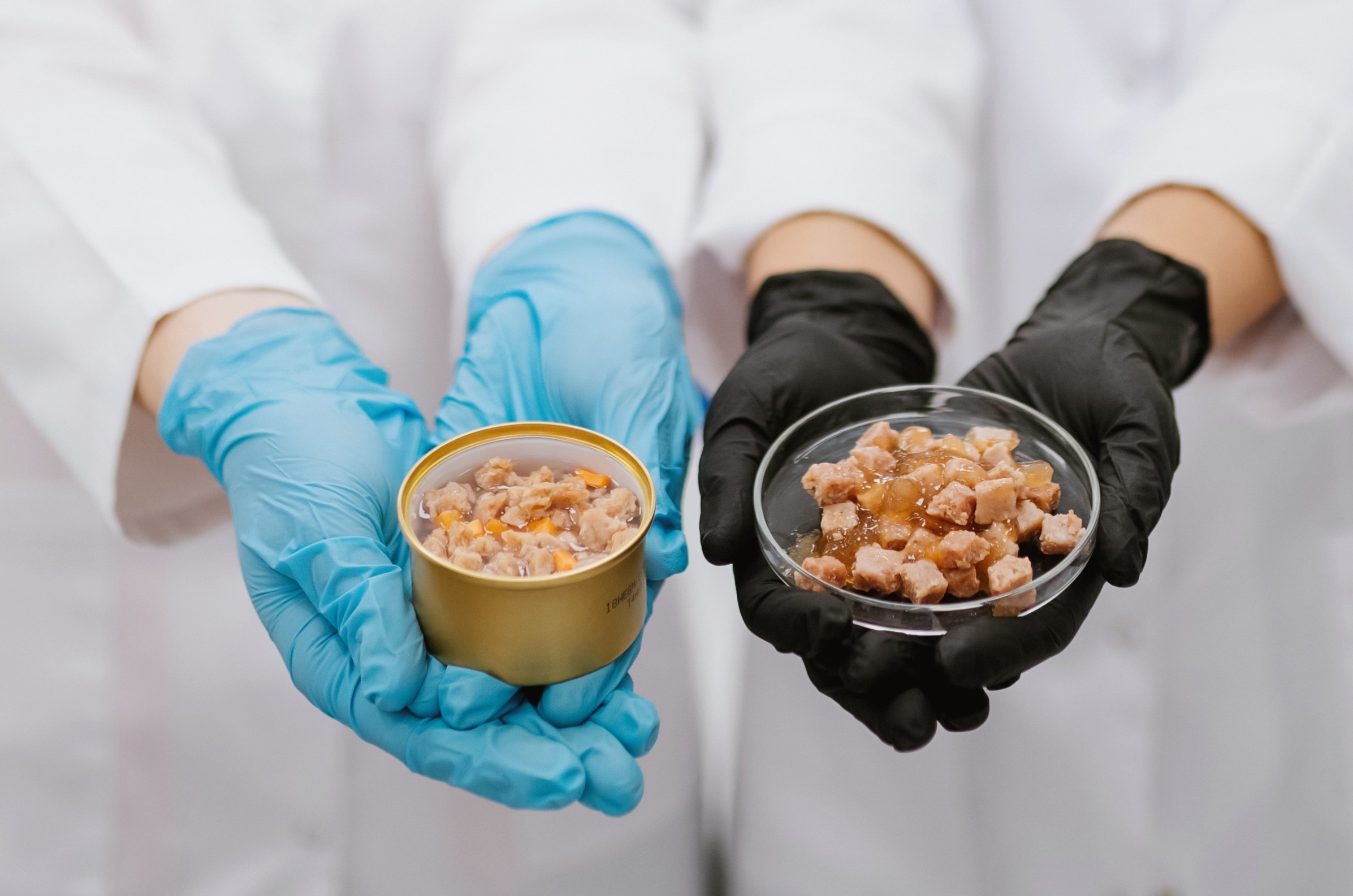
Cultivated meat, also known as cultured meat or cell-based meat, is real animal meat produced by directly growing animal cells in a controlled environment instead of raising and slaughtering animals. The process begins with a small sample of animal cells, which are nourished with essential nutrients and guided to form muscle, fat, and connective tissue, replicating natural biological growth. The result is meat that is biologically identical to conventional meat but can be produced more sustainably, with lower environmental impact and improved animal welfare. A term Cultivated meat refers to meat (including muscle cells, fat cells, connective tissue, blood, and other components) produced by cultivating animal cells, not by slaughtering a live animal. (Source: New Harvest – a research institute that aims to accelerate progress in cellular agriculture). www.benemeat.com
BeneMeat
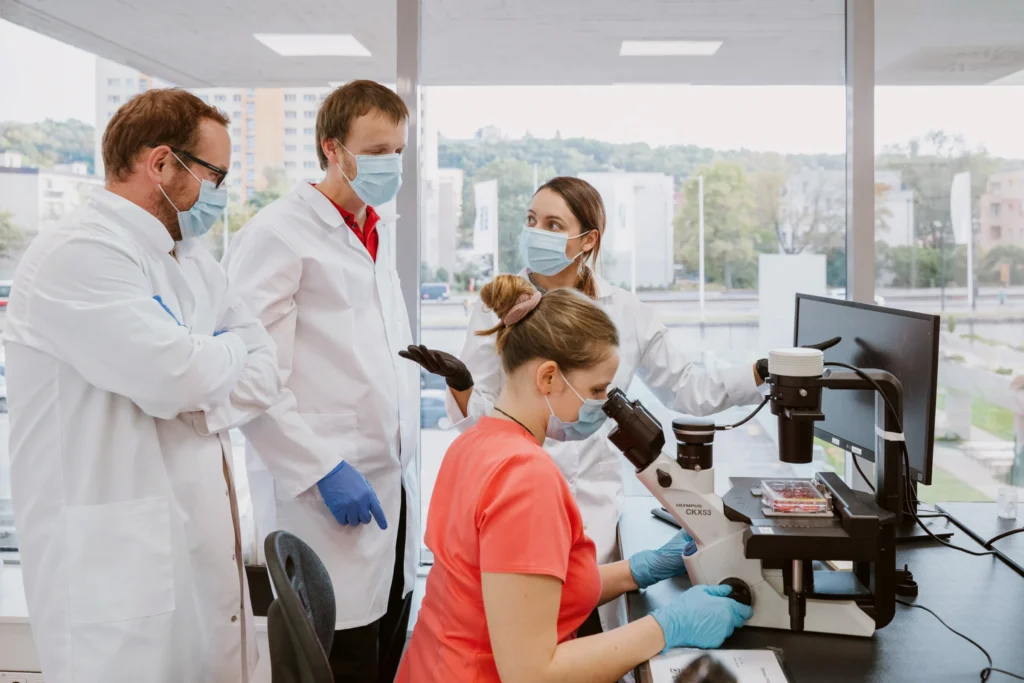
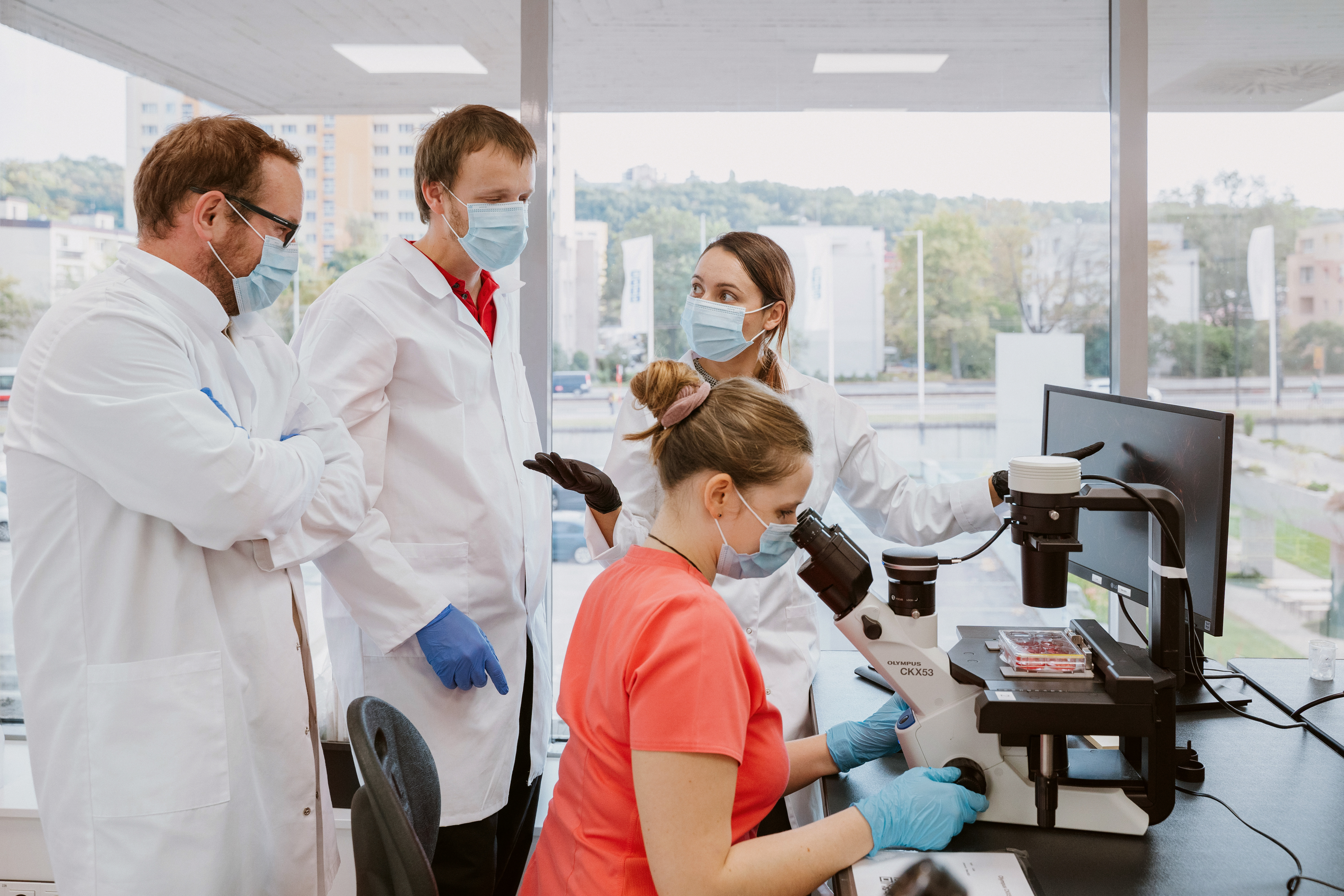
BeneMeat is a biotech company, part of the BTL Group, focused on developing scalable and efficient cultivated meat production technology. Since 2020, the company has developed deep, end-to-end expertise across biology, chemistry, hardware, software, and commercial implementation of cultivated meat. With 150+ R&D experts, BeneMeat is building the complete technological ecosystem, from versatile cell line development to scalable, reliable, and cost-effective manufacturing solutions. The company is prepared to support manufacturers through all the key challenges of bringing cultivated meat to market: technical, legal, regulatory, and commercial. BeneMeat is the first in the EU to be registered as a producer of cultivated meat for pet food (Autumn 2023), proving our regulatory leadership in this space. “We are not just another company in cultivated meat, we are the technology partner shaping its future.”
For more information, contact: media@benemeat.com