



BTL, An Unconventional CEO, and a Young Prodigy
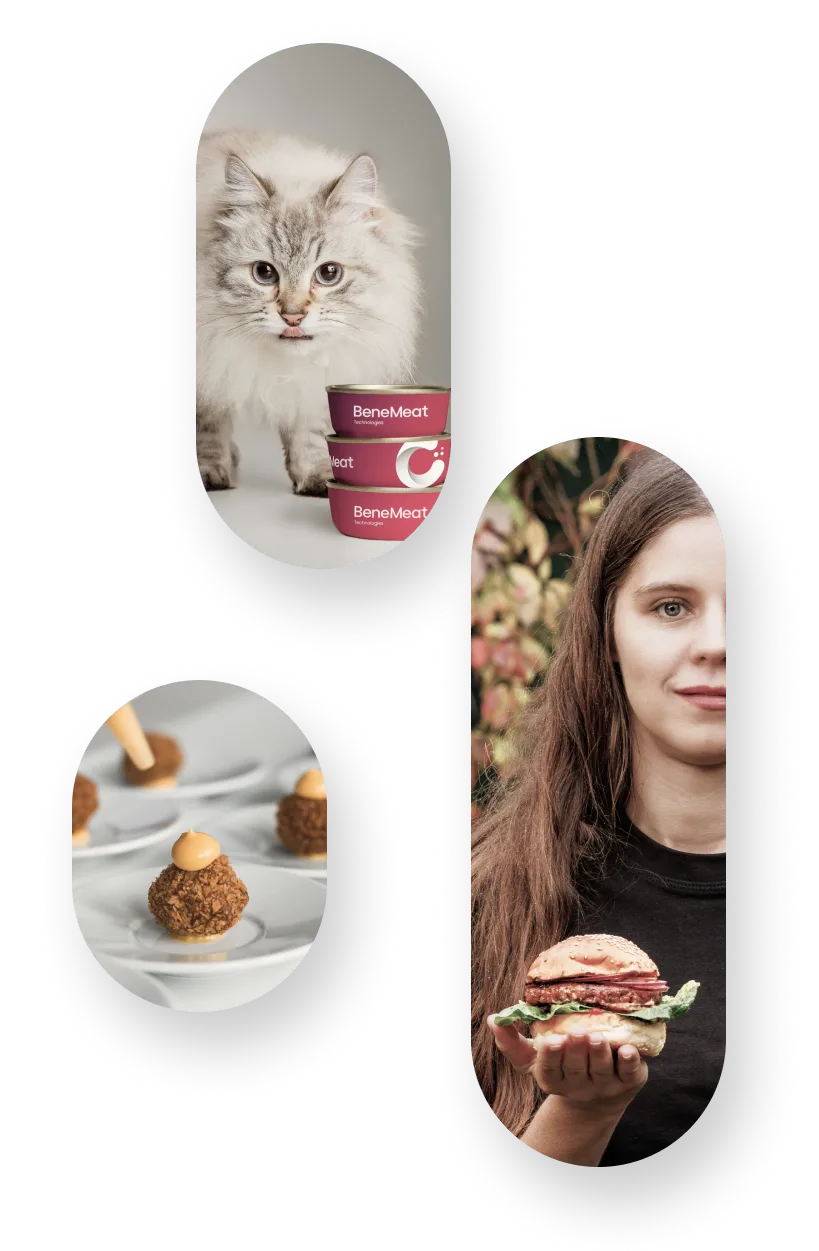
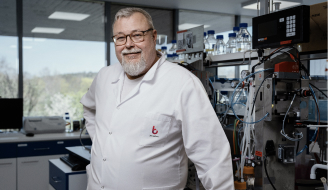
The concept of cultivated meat is born during a friendly chat over a beer between Roman Kříž, a long-time businessman known for his unconventional thinking, and the owner of BTL. Cultivated meat “made sense” to Roman — sparking his interest and a quest to build a business that would help change the food system. True to his nature, Roman bypassed traditional academia and partnered with 20-year-old biology prodigy and International Olympiad medalist Jiří Janoušek to lay the foundations for BeneMeat.
The concept of cultivated meat is born during a friendly chat over a beer between Roman Kříž, a long-time businessman known for his unconventional thinking, and the owner of BTL. Cultivated meat “made sense” to Roman — sparking his interest and a quest to build a business that would help change the food system. True to his nature, Roman bypassed traditional academia and partnered with 20-year-old biology prodigy and International Olympiad medalist Jiří Janoušek to lay the foundations for BeneMeat.
Silicon Valley – But Build it in a Cornfield
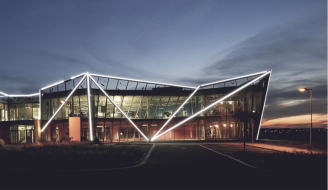
Research kicks off in a modest, rented lab at the Czech Academy of Sciences in Prague. Despite the challenges of the global pandemic, the team grows to its first 10 scientists and relocates to the Innocrystal facility — an outpost isolated on the distant outskirts of Prague, surrounded by open fields.
Research kicks off in a modest, rented lab at the Czech Academy of Sciences in Prague. Despite the challenges of the global pandemic, the team grows to its first 10 scientists and relocates to the Innocrystal facility — an outpost isolated on the distant outskirts of Prague, surrounded by open fields.
Driven by Purpose and a Flashlight
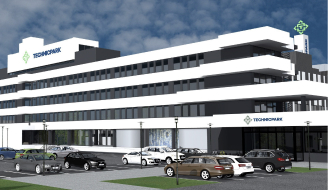
Relocation to Technicpark in Hostivař allows for team expansion, adding bioengineers, material scientists, and analytical chemists. The team spent their nights using phone flashlights to navigate dark paths to the bus stop. This was the “Science First” mindset that defined our drive.
Relocation to Technicpark in Hostivař allows for team expansion, adding bioengineers, material scientists, and analytical chemists. The team spent their nights using phone flashlights to navigate dark paths to the bus stop. This was the “Science First” mindset that defined our drive.
Into the Cube – but still thinking out of the box
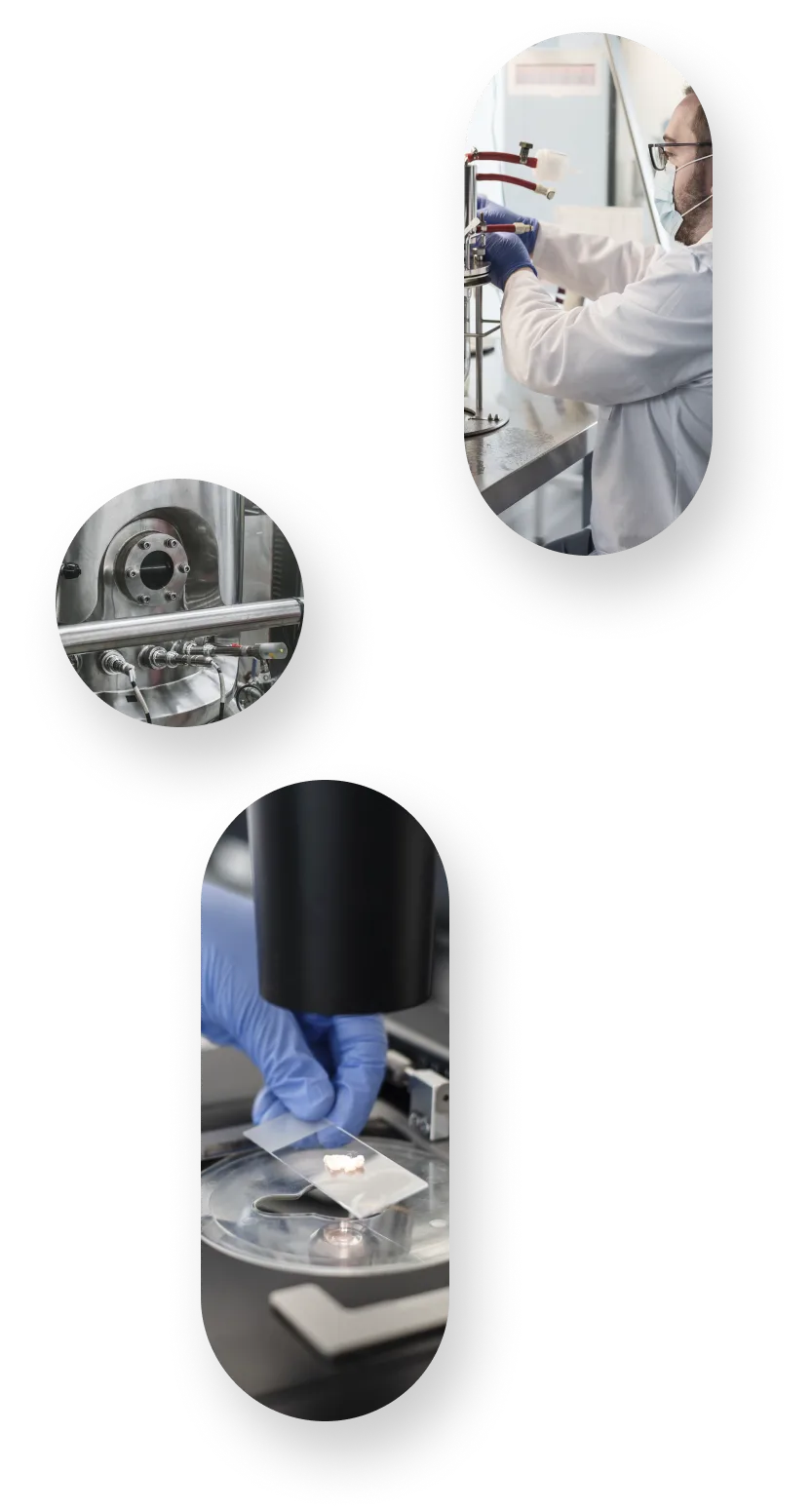
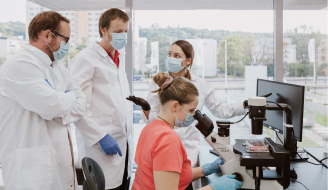
BeneMeat moves to the Cube building, the headquarters of its investor, BTL. This collaboration further secures our intellectual property, know-how and global patents. Scientific focus shifts toward larger lab-scale experimentation to validate the scalability of the production process.
BeneMeat moves to the Cube building, the headquarters of its investor, BTL. This collaboration further secures our intellectual property, know-how and global patents. Scientific focus shifts toward larger lab-scale experimentation to validate the scalability of the production process.
The World’s First
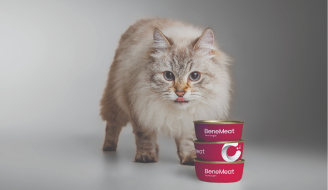
In November 2023, BeneMeat made history by becoming the world’s first registered producer of cultivated cells as a feed ingredient for pet food in the European Union. With our custom-engineered cell lines and infrastructure approaching industrial maturity, we’ve emerged as a global category pioneer.
In November 2023, BeneMeat made history by becoming the world’s first registered producer of cultivated cells as a feed ingredient for pet food in the European Union. With our custom-engineered cell lines and infrastructure approaching industrial maturity, we’ve emerged as a global category pioneer.
Award-Winning Innovation
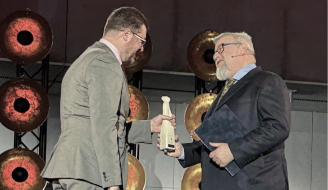
BeneMeat receives the prestigious Industry award in the Česká Hlava project for outstanding innovation. The strategic decision is made to build the “Minifactory” — a first state-of-the-art large scale production facility in Prague.
BeneMeat receives the prestigious Industry award in the Česká Hlava project for outstanding innovation. The strategic decision is made to build the “Minifactory” — a first state-of-the-art large scale production facility in Prague.
The Moment of Truth and Happy Tail Wags throughout the EU
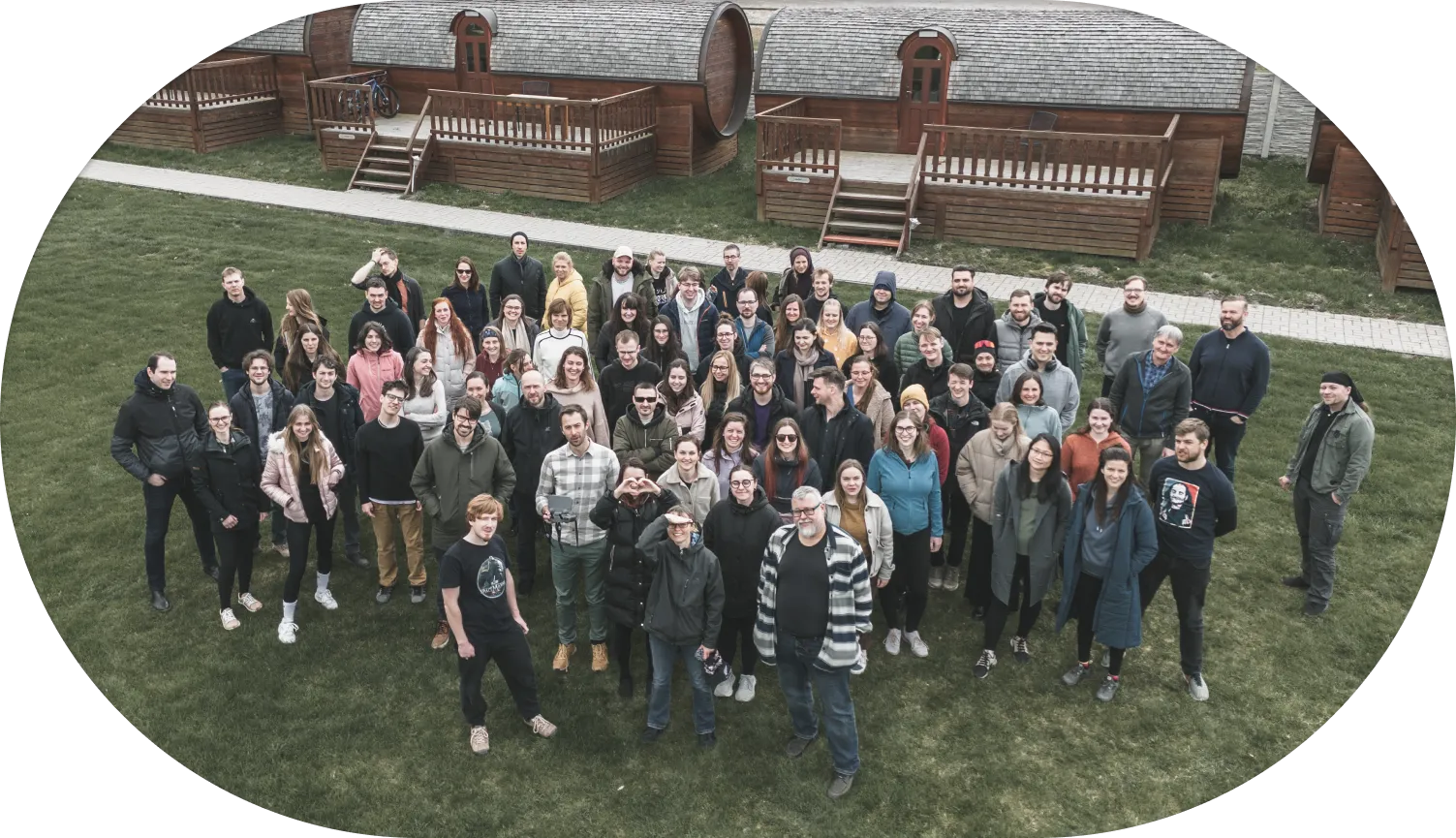
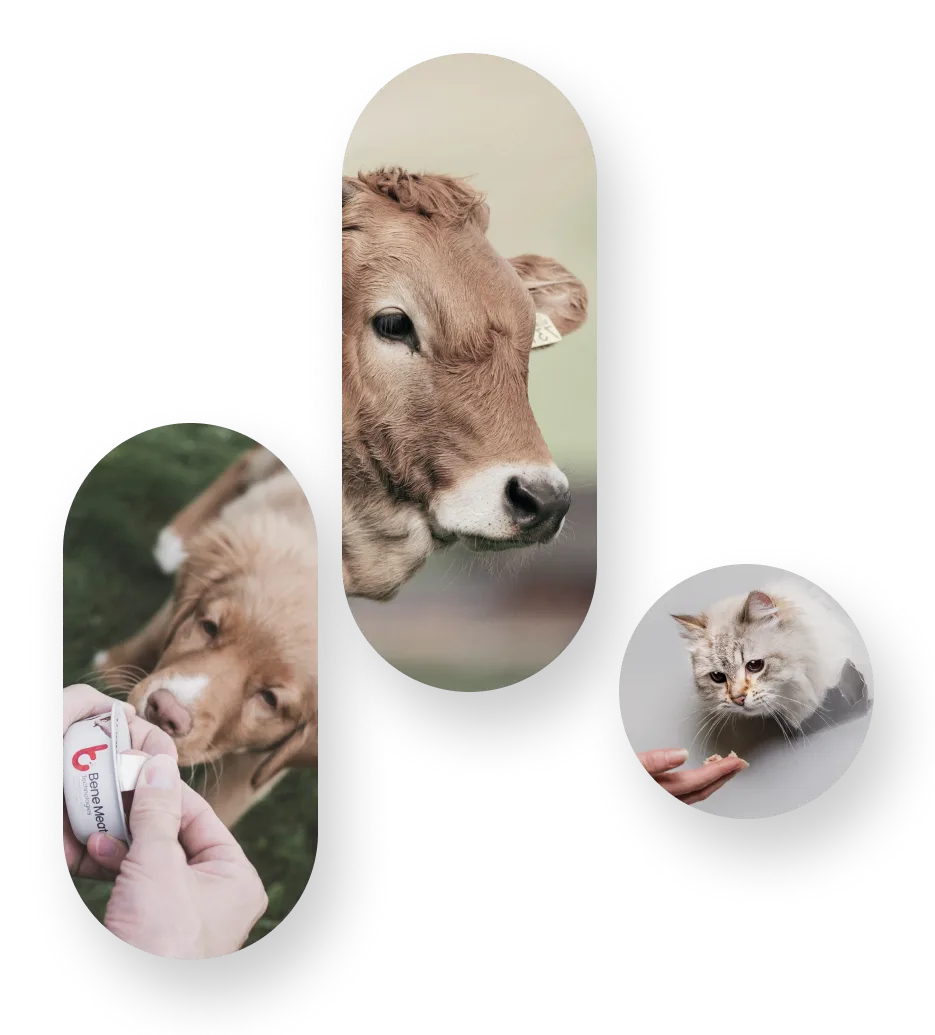
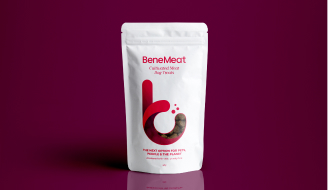
The team expands to nearly 150 employees as construction of the Minifactory begins in earnest. While the industry only talked about the future, we launched Try & Share, the first pan-European program allowing pet owners to test dog treats made with cultivated meat in real life.
The team expands to nearly 150 employees as construction of the Minifactory begins in earnest. While the industry only talked about the future, we launched Try & Share, the first pan-European program allowing pet owners to test dog treats made with cultivated meat in real life.
Getting to Scale — Minifactory
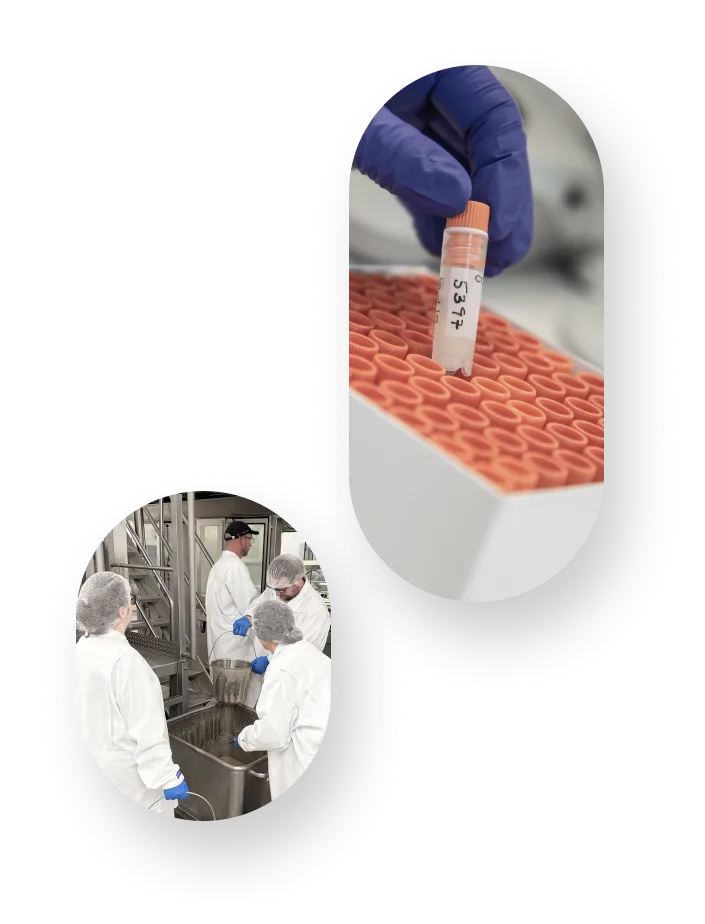
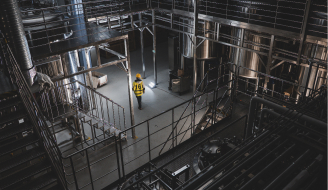
In February, the Minifactory successfully passed its first key construction and regulatory inspections. The initiation of test production marks BeneMeat’s transition from a high-tech start-up to an industrial biotechnology leader.
In February, the Minifactory successfully passed its first key construction and regulatory inspections. The initiation of test production marks BeneMeat’s transition from a high-tech start-up to an industrial biotechnology leader.